Jelili Gbadamosi
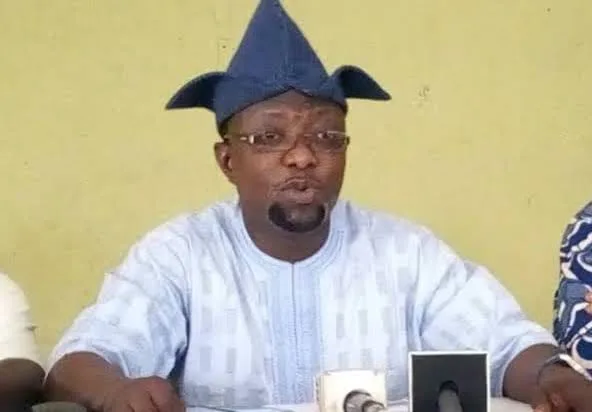
The convener of Sustainability of Governor Dapo Abiodun Legacy and Ogun State Beyond 2027, Abayomi Arabambi, has challenged the Ogun Good Governance Forum (OGGF) to provide evidence to support its claims concerning the implementation of 1,377 federal projects reportedly valued at ₦783 billion in Ogun State between 2024 and 2026.
OGGF had, in a sponsored newspaper article titled “Ogun Bleeds: 1,377 Projects, ₦783bn in 3 Years, Where Are These Projects?”, questioned the implementation and distribution of the projects across 48 federal Ministries, Departments and Agencies (MDAs).
The forum reportedly alleged that fewer than 100 of the projects could be verified on the ground, raising concerns over the utilisation of funds allocated to the projects.
Reacting to the publication, Arabambi described OGGF as an “unknown forum with a known agenda” and faulted the organisation for making what he described as serious allegations without sufficient field investigation or documentary evidence.
He questioned the identity, membership, funding and previous activities of the organisation, arguing that any group claiming to promote good governance should operate transparently and support its claims with verifiable evidence.
Arabambi said the claim that fewer than 100 of the 1,377 projects could be verified required extensive fieldwork, including visits to project locations, engagement with communities and requests for relevant documents from the affected MDAs.
He also disagreed with OGGF’s interpretation of the agencies responsible for some of the projects, explaining that federal projects could be assigned to implementing agencies based on their capacity, experience and ability to deliver them effectively.
According to him, the fact that an agency’s traditional mandate may not appear directly connected to a particular project does not automatically suggest wrongdoing, noting that multi-agency arrangements and legislative interventions could influence the designation of implementing agencies.
Arabambi maintained that the major consideration should be whether projects are properly funded, executed and delivered to their intended beneficiaries, rather than the apparent relationship between an agency’s core mandate and a particular project.
He also rejected OGGF’s suggestion that increased federal project allocations to Ogun State could be linked to the 2027 elections, describing such a conclusion as political and lacking sufficient evidence.
The convener accused the forum of attempting to create distrust around the administration of Governor Dapo Abiodun and the political aspiration of the All Progressives Congress (APC) governorship candidate, Senator Adeola Olamilekan Adeola, popularly known as Yayi.
He argued that genuine civil society organisations should engage relevant authorities, obtain official documents, visit project sites and give government agencies an opportunity to respond before making sweeping allegations.
Arabambi, however, supported OGGF’s proposal for the establishment of a monitoring mechanism involving traditional rulers, civil society organisations and technical experts to track federal projects across Ogun State.
He said such a mechanism could strengthen independent monitoring and promote accountability in the implementation of public projects.
On Nigeria’s rising debt profile, Arabambi acknowledged that the country’s debt burden remained a serious concern, stressing that public funds must be properly accounted for.
He, however, cautioned that inability to independently locate or verify a project should not automatically be interpreted as proof that the project was nonexistent, abandoned or misappropriated.
Arabambi urged Nigerians to demand accountability through facts, documentation and credible investigations, rather than sensational claims.
He said: “Nigerians deserve honest debate, genuine accountability and real advocacy,” adding that serious allegations concerning public expenditure should be supported by evidence.