The Ondo State Government has commenced plans to overhaul key areas of its healthcare system, with emphasis on reliable drug supply, improved diagnosis, local pharmaceutical production and better nutrition for hospital patients.
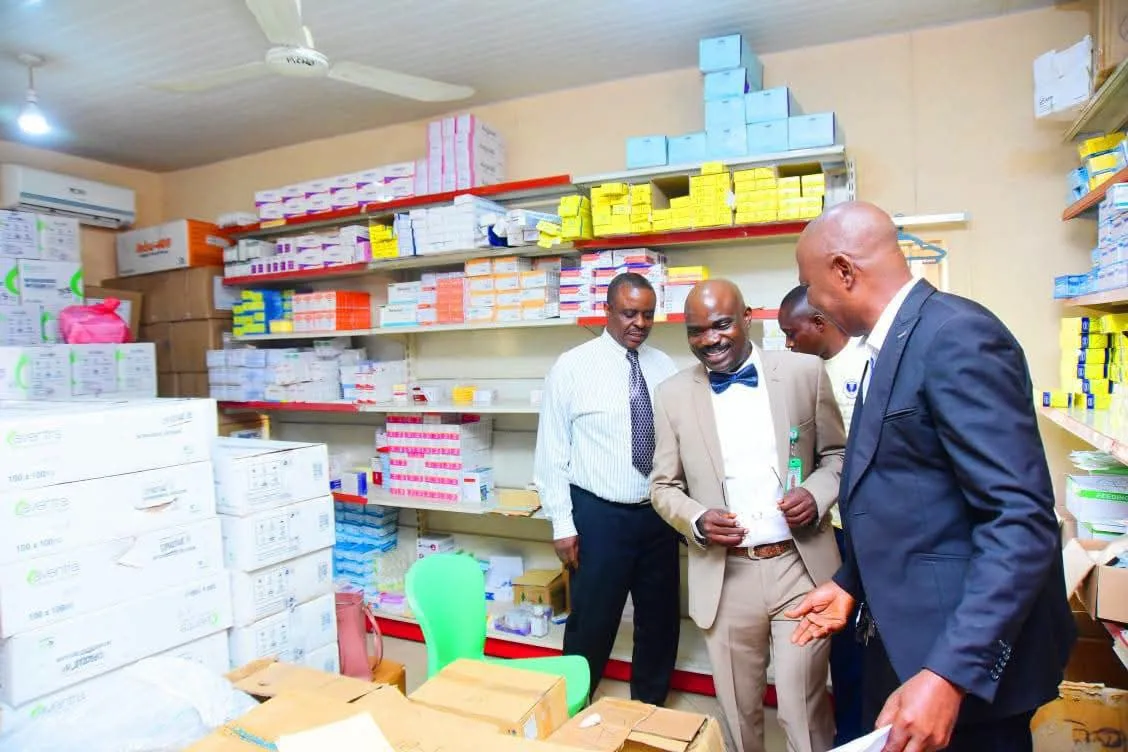
The Senior Consultant on Pharmaceutical and Medical Investments to the state government, Dr. Samuel Adekola, disclosed this during a familiarisation visit to the University of Medical Sciences Teaching Hospital (UNIMEDTH), Ondo.
Adekola said the reforms were aimed at making the state’s healthcare system more efficient and sustainable while reducing dependence on external sources for medicines and other health commodities.
He said Governor Lucky Orimisan Aiyedatiwa had approved the establishment of the Ondo State Pharmaceutical and Life Sciences Hub to strengthen the medicines supply chain, encourage local pharmaceutical manufacturing and promote biotechnology research.
According to him, the initiative is expected to contribute to both the health and economic security of the state by creating an enabling environment for pharmaceutical and life sciences investments.
The consultant also disclosed that critical diagnostic equipment had been approved for procurement across healthcare facilities in the state.
He said the equipment would improve early detection of diseases, strengthen clinical decision-making and enhance patient outcomes.
Adekola identified the Ondo State Drugs and Health Commodities Management Agency (OSDHCMA) as central to the success of the reforms, urging UNIMEDTH to strengthen its collaboration with the agency to prevent drug stockouts and ensure the availability of quality medicines.
He disclosed that OSDHCMA would soon transition into a State Drugs and Health Commodities Distribution Centre, which would serve public and private health institutions within and outside the state.
He added that operational guidelines for the new framework were being developed with the participation of relevant stakeholders, including UNIMEDTH.
The government also plans to introduce an evidence-based nutrition system for in-patients, under which meals would be tailored to patients’ medical conditions and recovery needs.
Adekola said UNIMEDTH would lead the implementation and refinement of the model in partnership with the West Africa Society of Parenteral and Enteral Nutrition (WASPEN).
He further urged the hospital management to identify areas where private investors could partner with the government, particularly in medical imaging, specialised clinics, diagnostic services, digital health and biomedical engineering.
Responding, the Chief Medical Director of UNIMEDTH, Prof. Michael Gbala, commended the state government for improvements recorded in the health sector, particularly in the availability of medical personnel.
Gbala, however, called for a more reliable supply of essential medicines, stressing that some critical drugs must remain available even when they are not frequently used.
He cited anti-venom as an example, noting that patients suffering snakebites could not afford delays while hospitals searched for the required medication.
The CMD therefore advocated stronger coordination among healthcare facilities to maintain adequate stocks of lifesaving medicines and ensure their prompt availability during emergencies.