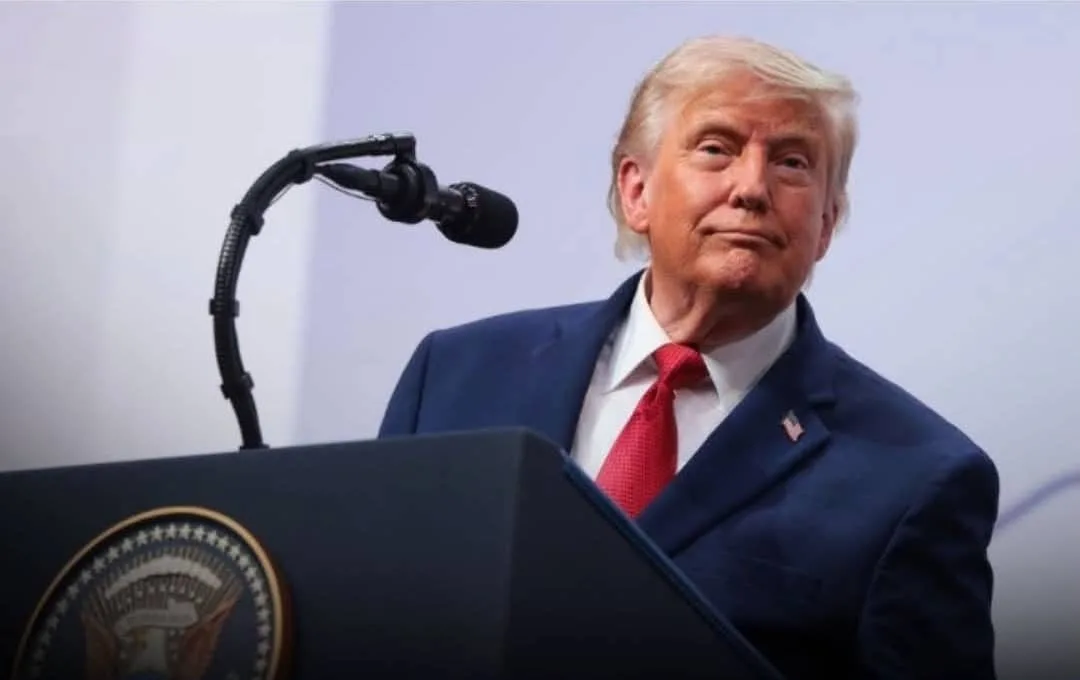
US President Donald Trump has renewed his push to restrict birthright citizenship for children born in the United States to foreign parents, reviving a controversial immigration policy that has already faced legal challenges.
Trump’s latest move targets foreigners who travel to the US ostensibly as tourists but are accused of entering the country with the intention of giving birth there.
The policy could affect foreign nationals, including Nigerians, who travel to the United States for childbirth and expect their children to automatically acquire American citizenship.
Trump said the practice had undermined the value of birthright citizenship, describing it as a misuse of the country’s citizenship system.
The latest action follows Trump’s earlier executive order seeking to deny automatic citizenship to certain children born in the US to parents who are either unlawfully present or in the country on temporary visas.
That order was challenged in court, with lower courts blocking its implementation on constitutional grounds. The 14th Amendment provides that people born or naturalised in the United States and subject to its jurisdiction are citizens.
The US Supreme Court subsequently ruled against Trump’s previous effort in a late-June decision, which the president criticised as unfortunate.
While the 14th Amendment excludes certain categories, including children of foreign diplomats, US authorities already have powers to refuse visas to applicants whose primary purpose for travelling to the country is to give birth.
Trump’s renewed action forms part of his broader immigration agenda, which includes mass deportation plans and efforts to end certain deportation protections for nationals of several countries.
The latest development is expected to trigger further legal and political debate over the constitutional limits of presidential authority and the longstanding principle of birthright citizenship in the United States.