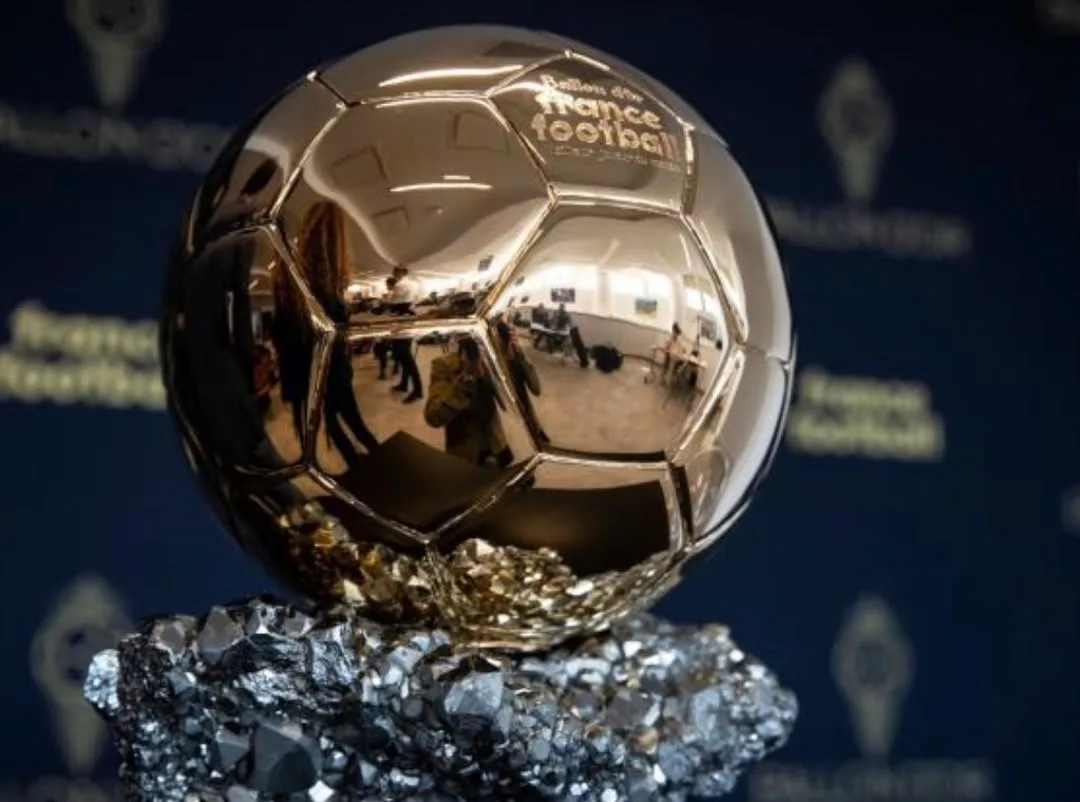
The organisers of the Ballon d’Or have clarified that winning the FIFA World Cup alone is not enough to claim football’s most prestigious individual award.
The statement, published on the Ballon d’Or website on Monday, came a day after Spain defeated Argentina 1-0 to win the 2026 FIFA World Cup.
While several players have historically completed the World Cup and Ballon d’Or double in the same cycle, the organisers stressed that the award is based on a player’s overall performances throughout the season rather than success at a single tournament.
“Yes, winning the World Cup helps, but it does not guarantee a Ballon d’Or,” the statement read.
“To win it, you need to have been the best player of the season, not only of the World Cup.”
Since the Ballon d’Or expanded its eligibility in 1995, only four of seven World Cup-winning stars have gone on to lift the award, representing a success rate of 57 percent.
Among those who achieved the feat are Bobby Charlton (1966), Paolo Rossi (1982), Lothar Matthäus (1990), and most recently Lionel Messi, who led Argentina to the 2022 FIFA World Cup before claiming the 2023 Ballon d’Or.
The statement is widely seen as a reminder that consistency and excellence across an entire campaign remain the key criteria for determining the Ballon d’Or winner, regardless of World Cup success.