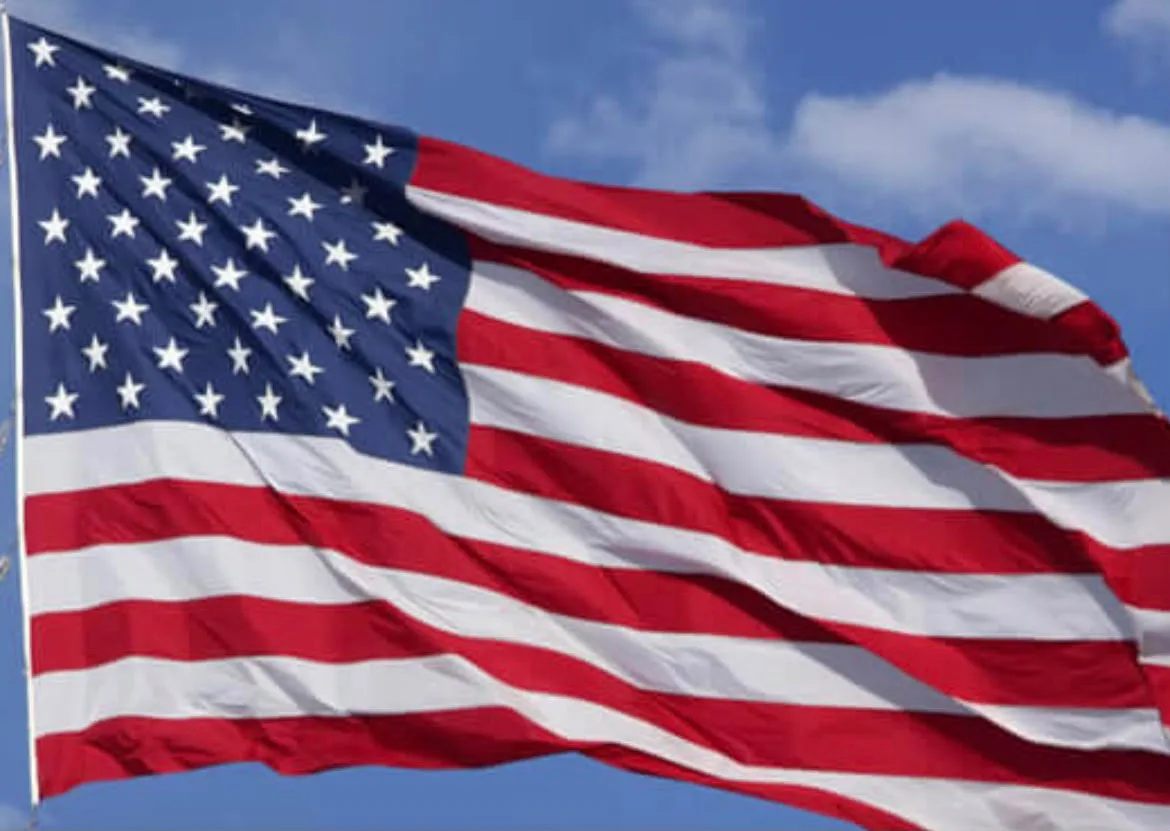
The United States has challenged the use of public polling in the selection process for the next United Nations Secretary-General, warning that the practice could undermine the established role of the Security Council.
The US raised the concern during a Security Council briefing, following a town hall meeting where candidates for the UN’s top position participated in an audience survey.
US Ambassador Jennifer Locetta, Alternative Representative for Special Political Affairs, criticised the initiative led by General Assembly President Annalena Baerbock, describing the survey as “unfair, untransparent, and unprecedented.”
Locetta argued that many of the people who participated in the survey had no formal role in selecting the Secretary-General.
She said the selection process should follow the framework established under Resolution 79/327 on the revitalisation of the General Assembly, which she maintained does not provide for polls or surveys to determine support for candidates.
The US diplomat also criticised two letters sent by Baerbock to the Security Council concerning the selection process, saying the communications suggested that the Council had failed to observe principles of transparency, fairness and inclusion.
According to Locetta, the Security Council has consistently respected the agreed procedure for selecting the UN chief, while accusing the General Assembly President of departing from the established process.
She also rejected the suggestion that the Security Council should only consider candidates who participated in a General Assembly dialogue.
Locetta said the existing agreement on nominations does not prevent the Council from considering candidates who did not take part in the dialogue.
The disagreement comes as the Security Council continues its assessment of candidates seeking to replace Antonio Guterres, whose tenure as UN Secretary-General ends on December 31.
On Friday, the Council held its second informal straw poll behind closed doors to gauge the level of support for the candidates before eventually recommending one to the General Assembly.
Eight candidates are currently seeking the position: Carolyn Birkett of Guyana, Ecuador’s former Industries Minister Ivonne Baki, former Chilean President Michelle Bachelet, and Ecuador’s former Foreign Minister Maria Espinosa.
Others are Rafael Grossi of Argentina, Director-General of the International Atomic Energy Agency; Costa Rica’s former Vice President Rebeca Grynspan; former UN Under-Secretary-General Olara Otunnu of Uganda; and former Senegalese President Macky Sall.