By Adesakin Adefemi
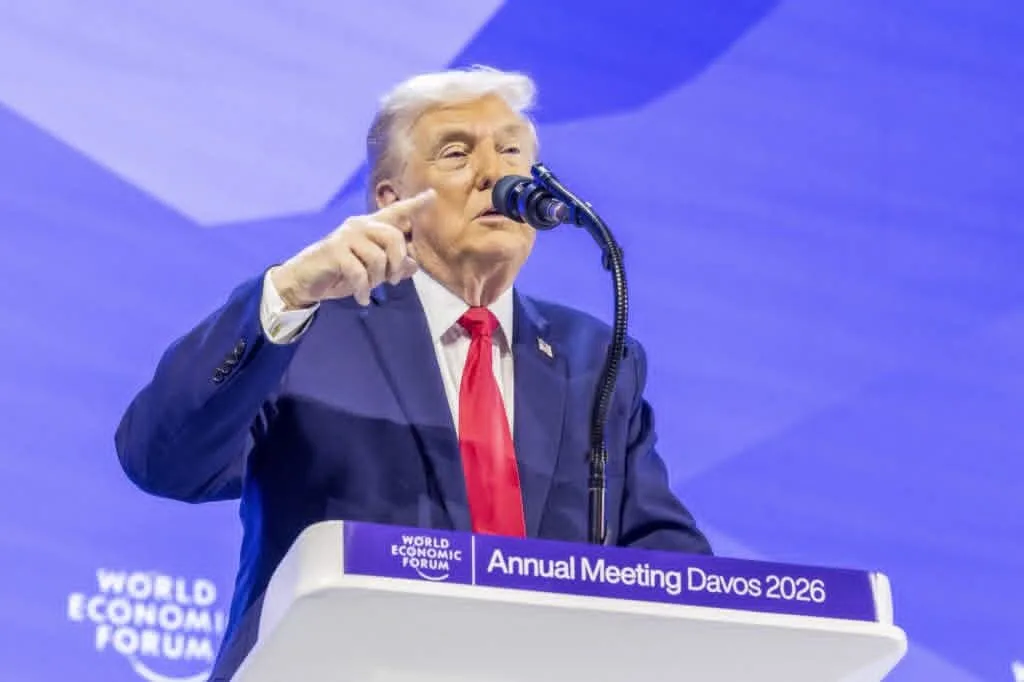
US President Donald Trump has dismissed Iran’s latest proposal to end the Middle East war as “totally unacceptable,” raising fears of renewed hostilities and triggering a sharp rise in global oil prices. The rejection came in a post on his Truth Social platform on Monday.
Iran had responded to Washington’s peace plan on Sunday, warning it would not hold back from retaliating against any new US strikes and would not allow more foreign warships in the Strait of Hormuz. Tehran passed its counter-proposal to Pakistani mediators, focusing on ending fighting on all fronts and securing shipping lanes.
Trump did not disclose details of Iran’s offer but made his stance clear. “I have just read the response from Iran’s so-called ‘Representatives.’ I don’t like it — TOTALLY UNACCEPTABLE!” he wrote, signaling that the diplomatic impasse remains unresolved.
The standoff rattled energy markets. Brent crude rose 4.65% to $99.95 a barrel in early Asian trade, while West Texas Intermediate gained over 4% to $105.5 a barrel. Investors are bracing for further disruptions as Tehran maintains a partial blockade of the strait, through which a fifth of the world’s oil passes.
Israeli Prime Minister Benjamin Netanyahu said the conflict is not over until Iran’s nuclear facilities and enriched uranium are removed. Speaking to CBS’s “60 Minutes,” he insisted that enrichment sites must be dismantled to prevent future threats.
Iran has maintained a defiant public posture. President Masoud Pezeshkian posted on X that Tehran would not bow to the enemy and that any talk of negotiation does not mean surrender. State broadcaster IRIB said Tehran’s response centers on halting the war, especially in Lebanon, and guaranteeing maritime security.
Reports say Iran’s counter-proposal included diluting some highly enriched uranium and transferring the rest to a third country, with guarantees for its return if talks collapse. The Wall Street Journal said Tehran wants assurances that Washington would not abandon any new deal.
The US Navy is blockading Iranian ports and diverting vessels, while Britain and France plan to lead an international coalition to secure the Strait of Hormuz after a peace deal. Over 40 defense ministers will meet Tuesday to discuss restoring trade flows through the waterway.
Fresh drone attacks in the Gulf on Sunday further strained the ceasefire. The UAE, Kuwait and Qatar reported interceptions or hits, prompting a warning from Iran’s parliament security commission that “our restraint is over as of today.” Any attack on Iranian vessels, it said, would trigger a decisive response against US ships and bases.