Omobolaji Adekunle
Stakeholders in the health sector have called for urgent legal reforms, increased awareness, and stronger community engagement to tackle the growing incidence of unsafe abortion and its contribution to maternal mortality in Nigeria.
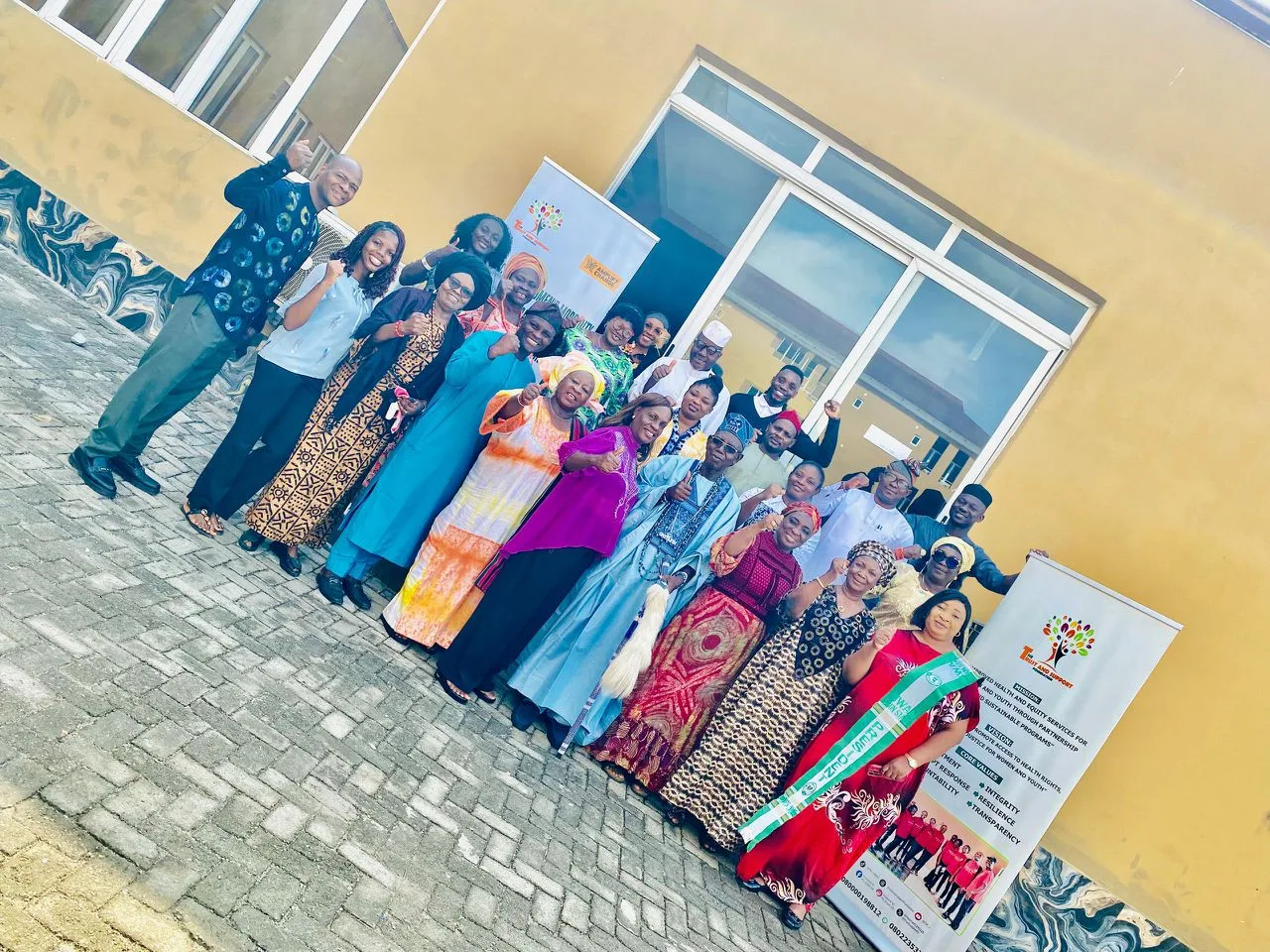
The call was made during a two-day training organised by the Trust and Support Foundation (TSF) in Ijebu-Ode, Ogun State, where medical experts, community leaders, and policy advocates converged to address the challenges surrounding reproductive health and unsafe abortion practices.
In her opening remarks, the Executive Director of TSF, Victoria Madukwem, described the issue as both sensitive and critical, stressing the need for collective responsibility in reducing preventable deaths among young women.
She said the training was designed to be participatory and impactful, expressing hope that it would broaden participants’ understanding and inspire practical solutions.
“We must work together to reduce the stigma and health risks associated with unsafe abortion. Our goal is to build a society where no one is left behind and where informed decisions can save lives,” she stated.
Delivering the keynote address, a medical expert, Dr. Moriam Olaide Jagun, identified lack of access to qualified healthcare providers and unsafe environments as the major drivers of unsafe abortion in Nigeria.
According to her, the burden of unsafe abortion falls disproportionately on vulnerable groups, including young people, rural dwellers, and low income earners, who often lack access to accurate information and quality healthcare.
She noted that wealthier and more educated individuals are less affected, as they are able to access safe services, sometimes outside the country.
“Unsafe abortion is not just a medical issue; it is a social and economic problem that affects mostly the poor and marginalised. Those with resources find safer options, but the vulnerable are left to face the consequences,” she said.
Dr. Jagun further highlighted the role of stigma, cultural beliefs, and misinformation in discouraging young women from seeking proper medical care, leading many to rely on unqualified providers.
She shared real-life medical experiences of complications arising from unsafe procedures, including cases of septic abortion, which often result in severe health consequences or death.
Raising concerns about accountability, she questioned whether responsibility lies with individuals, families, healthcare providers, or systemic barriers that limit access to safe reproductive health services.
She also urged healthcare professionals to separate personal beliefs from their professional duties, emphasizing that denying patients access to care could have irreversible consequences.
On the legal framework, participants examined existing abortion laws in Nigeria, noting that they largely criminalise the practice except when it is necessary to save the life of the mother.
They referenced provisions of the Criminal Code, including Sections 228, 229, and 230, which prescribe penalties for individuals involved in abortion related activities, as well as Section 297, which permits medical intervention to preserve the mother’s life.
Stakeholders also highlighted the implications of the 1938 legal precedent, R v Bourne, which broadened the interpretation of preserving a woman’s life to include her physical and mental health.
Participants expressed concern that limited awareness of these legal provisions, even among healthcare professionals, continues to hinder access to safe services.
Statistics presented at the training revealed that abortion incidence in Nigeria remains high, with estimates ranging from 29 to 45.8 per 1,000 women of reproductive age, translating to between 1.25 million and nearly two million cases annually.
Stakeholders emphasised the need for policy reforms, improved healthcare services, and community sensitisation to address the root causes of unsafe abortion.
They also called for the domestication of international frameworks such as the Maputo Protocol, which advocates for women’s reproductive rights, including access to safe abortion under specific conditions such as rape, incest, and threats to a woman’s health.
The training concluded with a call for coordinated efforts among government agencies, civil society organisations, healthcare providers, and the media to drive sustainable change and reduce preventable maternal deaths across the country.