By Adesakin Adefemi
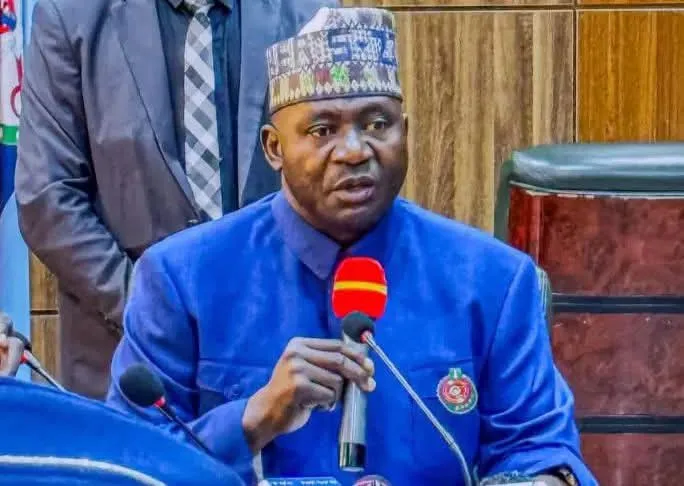
The Minister of Defence, General Christopher Musa, has defended the recent airstrike on Jilli in Borno State, insisting that those killed in the operation were not innocent civilians but individuals actively supporting insurgents.
Speaking during an interview on Arise TV on Tuesday after a high-level security meeting chaired by President Bola Tinubu, Musa said the strike was based on credible intelligence and targeted a known hub for terrorist logistics and supplies.
He said there was no innocent person at the location. “Anybody in that location knew what they were doing. They were there for business with terrorists,” the minister stated.
The airstrike has drawn criticism following reports of civilian casualties. It has sparked renewed debate over Nigeria’s counterinsurgency tactics and the balance between military necessity and civilian protection.
Musa dismissed suggestions of operational error or faulty intelligence. He insisted that the military acted on verified information and struck at the right time. “We moved based on intelligence, we identified the location, and we hit the target. It was a deliberate operation,” he said.
According to him, the Jilli area had long been designated a no-go zone due to its use by insurgents and their collaborators. He explained that the location served as a marketplace where individuals supplied food, fuel, and materials to terrorist groups operating in the region. “That place is not a normal civilian market,” Musa stated. “It is a point where terrorists meet with those who support them.”
He argued that economic incentives have driven individuals into such activities. He noted that traders could make significant profits by selling goods to insurgents in remote areas. “If you take a bag of rice there, you can sell it for as much as N150,000. The attraction is huge. People go there deliberately to make money, fully aware of who they are dealing with,” he said.
Musa stressed that individuals who knowingly provide logistics or financial support to insurgents cannot be classified as innocent civilians under the laws of armed conflict. “He who supports a terrorist is one of them,” he declared. “Your actions enable them to survive, to fight, and to kill others. That makes you part of the system.”
He acknowledged that the distinction between civilians and combatants can be complex in asymmetric warfare but insisted that the military remains careful in its targeting decisions. He drew a clear line between those coerced into cooperation and those who willingly engage with insurgents for profit.
Musa also questioned the credibility of casualty figures circulating in the media, noting the absence of verifiable evidence. He argued that continued civilian collaboration with insurgents prolongs the conflict in the North-East, adding that cutting off such support networks would significantly weaken terrorist groups.