By Adesakin Adefemi
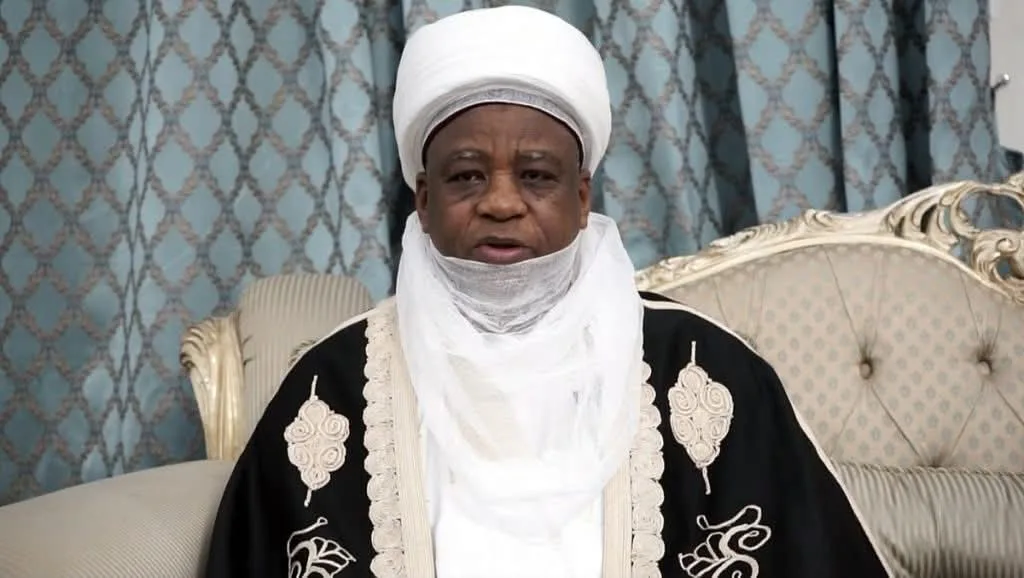
The Sultan of Sokoto and President‑General of the Nigeria Supreme Council for Islamic Affairs, Alhaji Muhammad Sa’ad Abubakar III, has officially announced that Wednesday, February 18, 2026, marks the beginning of the holy month of Ramadan. He stated that the crescent moon was sighted in almost every part of the country on Tuesday, the 29th day of Sha’aban, signifying the start of fasting in accordance with Islamic teachings.
In a press statement released to newsmen in Sokoto on Tuesday and signed by Professor Sambo Wali Junaid, Chairman of the Advisory Committee on Religious Affairs, the Sultan called on the entire Muslim community in Nigeria to commence the fast on Wednesday. He emphasized that this observance aligns with the traditional method of moon sighting and fulfills religious obligations.
The Sultan noted that reports of the moon sighting were received from numerous Islamic leaders across the nation, confirming the unanimous commencement of Ramadan. He urged Muslims to use the month as a period of deep reflection, increased devotion, and charitable acts, while also seeking divine intervention against the insecurity currently ravaging parts of the country.
He further appealed to Muslims nationwide to continue praying for Nigeria’s leaders and for an end to insecurity, highlighting the importance of collective supplication during this sacred period. The Sultan’s call resonates with many Nigerians who view Ramadan as a time for spiritual renewal and national healing.
The announcement comes on the heels of a similar declaration by Saudi Arabia, which also sighted the crescent moon and declared Wednesday as the first day of fasting. This synchronicity underscores the global unity of the Muslim Ummah in observing Ramadan.
Meanwhile, the Federal Government has been urged to review and address security challenges, with various stakeholders calling for intensified efforts to protect citizens. The Sultan’s message adds a spiritual dimension to these calls, encouraging Nigerians to seek peace through prayer and community solidarity.
As Muslims across Nigeria prepare for the month-long fast, markets and communities are witnessing increased activity, with many stocking up on food items and essentials. Religious leaders are organizing programs to support vulnerable populations, ensuring that the spirit of Ramadan reaches all corners of society.
In conclusion, the Sultan of Sokoto’s declaration sets the tone for a month of fasting, prayer, and reflection for Muslims in Nigeria and beyond. As the nation embarks on this spiritual journey, there is hope that the collective prayers and actions of its people will contribute to lasting peace and prosperity.