By Adesakin Adefemi
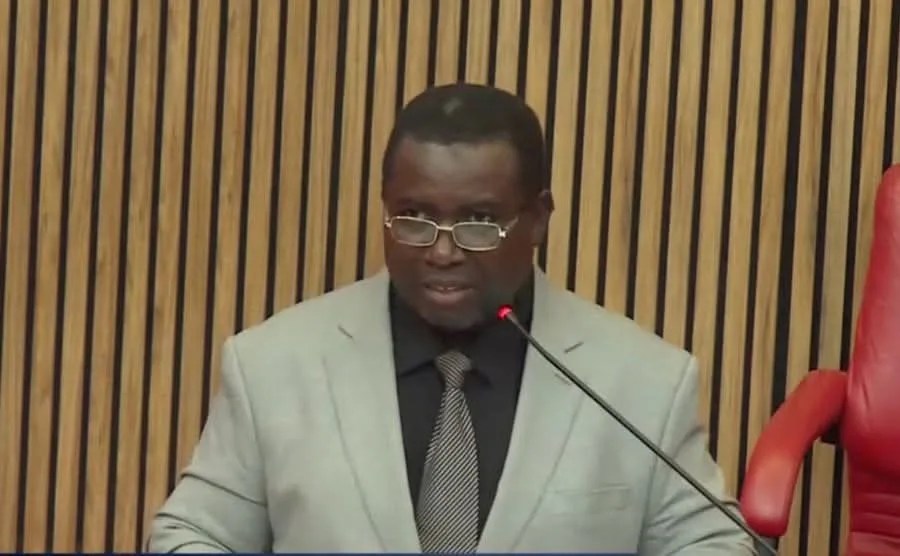
The Independent National Electoral Commission (INEC) has assured Nigerians of its readiness for the 2027 General Election despite delays in the passage of the amended Electoral Act at the National Assembly. INEC Chairman, Prof. Joash Amupitan, stated this at the Commission’s first quarterly consultative meeting with Civil Society Organisations in Abuja, emphasizing that the Commission has already finalized its election timetable and schedule of activities in line with existing legal provisions.
According to Amupitan, while INEC has submitted its recommendations to the National Assembly, the timing and content of the amended Act could affect some aspects of the election schedule. “While we have made our submissions to the National Assembly, the passage of the amendment may have implications for certain items in our timetable,” he said.
The INEC chairman urged CSOs to mobilize residents of the Federal Capital Territory to collect their Permanent Voter Cards ahead of the Area Council elections scheduled for Saturday, February 21, 2026. “The ongoing PVC distribution in the FCT will end on 10th February 2026, and we do not want anyone to be disenfranchised,” he said.
Amupitan also called on CSOs to monitor political parties’ conduct during campaigns and promote peaceful participation. “Let’s work together to monitor the activities of the political parties, especially their campaigns and general conduct in the election,” he added.
The FCT Area Council elections will involve 1,680,315 registered voters across 2,822 polling units in Abaji, AMAC, Bwari, Gwagwalada, Kuje, and Kwali. A total of 570 candidates will contest the chairmanship, vice-chairmanship, and councillorship positions.
INEC has delivered and batched non-sensitive materials at Area Council offices, concluded recruitment and training of ad hoc staff, and is configuring BVAS devices for accreditation and upload of results to the IReV portal. Sensitive materials will be delivered a day before the polls.
The proposed amendments to the Electoral Act include stricter controls on election spending, tougher penalties for electoral offences, and stronger safeguards for transparency in voting, collation, and result transmission. The National Assembly is considering far-reaching changes, including holding all elections in one day, mandatory electronic transmission of results, early voting for security personnel and election officials, diaspora voting, and conclusion of election disputes before swearing-in.
The delay in passing the amended Electoral Act has raised concerns among stakeholders, who warn that it could jeopardize electoral credibility and effective planning by INEC. The Senate has constituted a seven-member committee to harmonize and distil lawmakers’ contributions and opinions on the Electoral Act Amendment Bill.