By Adesakin Adefemi
President Bola Tinubu has unveiled a 10-year, $250m intervention programme aimed at restoring livelihoods and empowering Nigerians displaced by floods and other climate-related disasters.
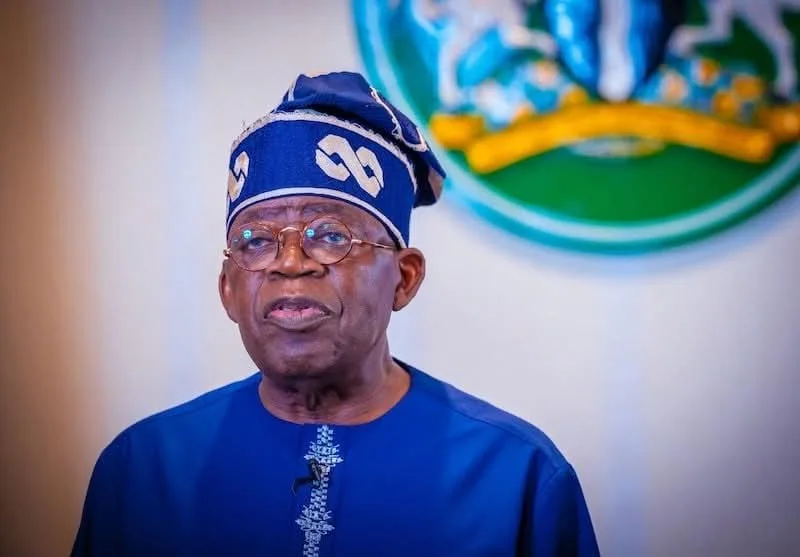
The initiative, known as the Climate-Resilient Livelihoods Empowerment Programme for Displaced Populations, was announced by the President in his opening address at a special event on climate-induced mobility held under Nigeria’s chairmanship of the Rabat Process.
The programme will focus on long-term empowerment rather than emergency relief, supporting displaced persons through climate-smart agriculture, renewable energy entrepreneurship, climate data and digital employment, green value chains, as well as dedicated leadership tracks for women and youth.
The CLEP4DPS reflects a shift by the Federal Government from short-term humanitarian responses to people-centred solutions that strengthen resilience and preserve human dignity. According to the President, “The programme is built on the premise that economic empowerment is a critical form of climate adaptation.”
The initiative complements other interventions under the Renewed Hope Agenda, including the Global Flood Disaster Management Project, which focuses on early warning systems, resilient infrastructure, disaster coordination and community engagement nationwide.
The President noted that the Federal Government has continued to support displaced families through targeted relief, resettlement and recovery efforts, including the Resettlement City Project, which provides planned communities with access to basic services and livelihood support.
Climate change is one of the most significant drivers of human mobility globally, and for Nigeria, climate-induced displacement is a lived reality rather than a distant threat. The 2022 floods affected more than 4.4 million people and displaced about 2.4 million Nigerians across over 30 states.
The President highlighted environmental degradation in the Lake Chad Basin, coastal erosion along Nigeria’s shoreline and desertification in other regions, noting that these factors have undermined livelihoods and forced communities to migrate in search of survival.
Tinubu called for stronger international cooperation, saying climate-induced mobility is a transnational challenge that no country can address alone. He reaffirmed Nigeria’s commitment to inclusive partnerships, evidence-based policy making, and sustained dialogue within the Rabat Process.
The programme is expected to bring relief to millions of Nigerians affected by climate-related disasters and promote sustainable development in the country.