The Federal Government has said stronger domestic financing for healthcare will be critical to sustaining Nigeria’s progress in the fight against malaria and reducing reliance on donor support.
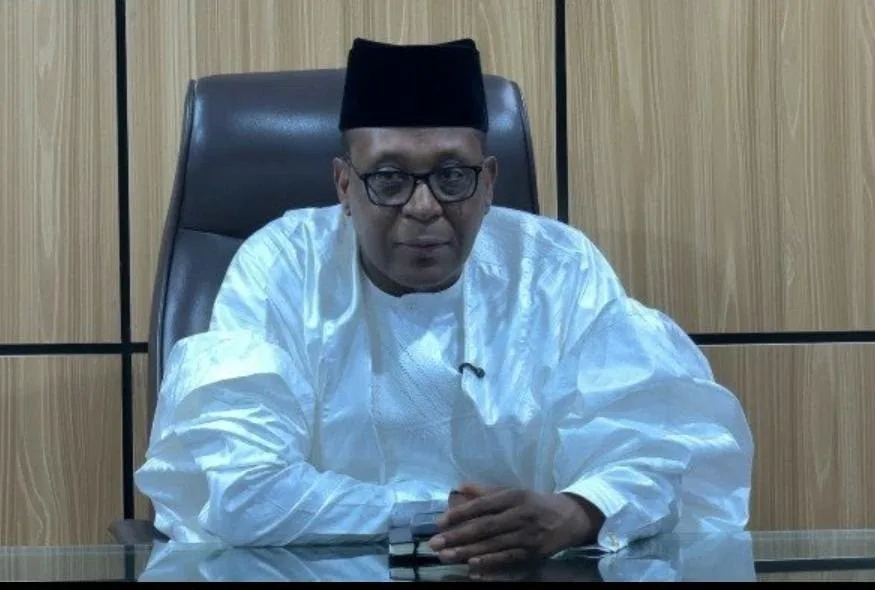
The Coordinating Minister of Health and Social Welfare, Muhammad Ali Pate, stated this in Abuja while receiving the Board of Trustees of Malaria Consortium, which paid a courtesy visit to the ministry.
Pate said the government was committed to consolidating recent gains in malaria control while building a health financing system capable of sustaining interventions in the long term.
He noted that malaria parasite prevalence among children aged six to 59 months had dropped from 42 per cent in 2010 to 15 per cent in 2025, describing the decline as evidence of the impact of sustained and coordinated interventions.
The minister said the Federal Government would continue to work with development partners while increasing its own investment in healthcare.
He called on state governments to also dedicate more of their improved revenues to the health sector, stressing that protecting the health of Nigerians remained primarily the responsibility of governments at the federal, state and local levels.
Pate said the government would intensify malaria control efforts through improved diagnosis, access to quality and affordable medicines, data-driven strategies at the subnational level, seasonal malaria chemoprevention, insecticide-treated bed nets and the use of malaria vaccines where available.
He said continued investment in resilient health systems and stronger domestic financing would be necessary to ensure that progress made against malaria was not reversed.
The minister also acknowledged the contribution of Malaria Consortium and other development partners to Nigeria’s malaria response, describing the collaboration with the National Malaria Elimination Programme as productive.
The delegation from Malaria Consortium, according to the ministry, visited to congratulate Nigeria on the reduction in malaria prevalence, reaffirm its partnership with the government and introduce its newly appointed board members.
Pate maintained that while external support remained valuable, Nigeria must progressively assume greater responsibility for financing and sustaining programmes aimed at protecting its population from malaria and other major health challenges.