Jelili Gbadamosi
The Deputy Speaker of the House of Representatives, Benjamin Kalu, has assured Nigerians and international partners that the proposed State Police Bill includes robust constitutional safeguards to prevent abuse by state governments.
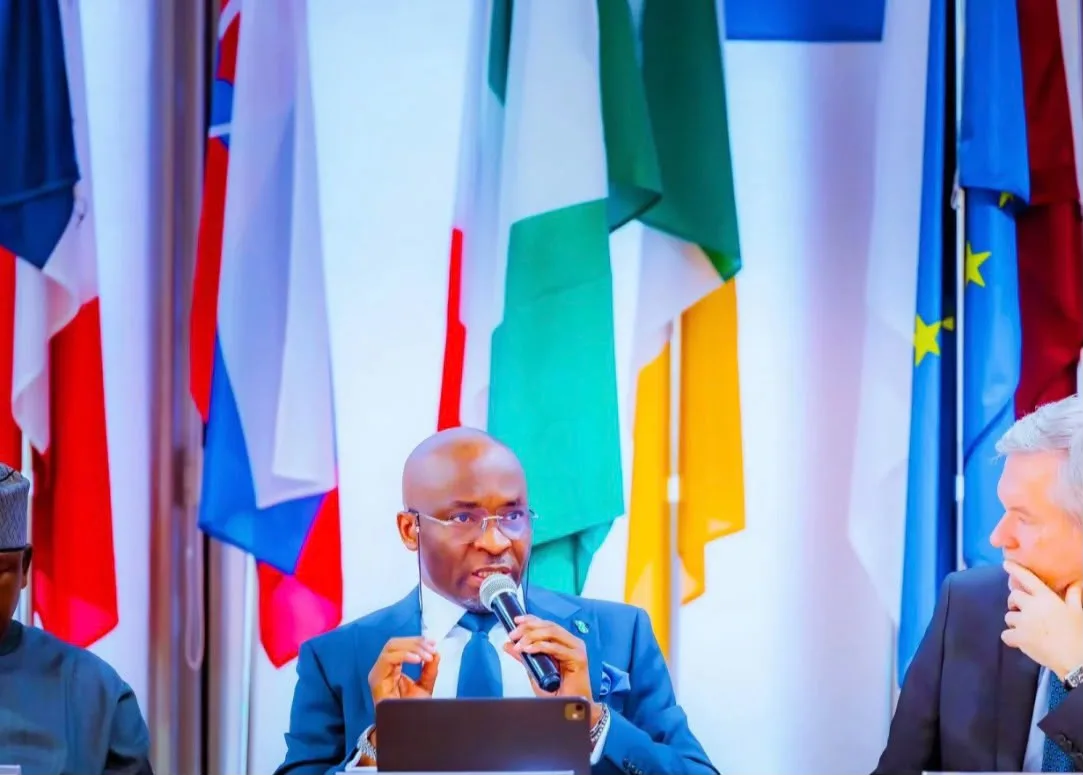
Speaking on Tuesday at a reception hosted by the Gautier Mignot in Abuja, Kalu said the constitutional amendment seeks not only to decentralise policing but also to strengthen accountability through clear institutional checks.
Kalu, who also chairs the House Committee on Constitution Review, appealed to European Union Heads of Mission to continue supporting Nigeria’s constitutional reform process, describing the exercise as critical to strengthening democratic governance and improving service delivery.
Addressing concerns that state governors could use state police to suppress political opponents, the Deputy Speaker insisted the proposed legislation contains adequate mechanisms to prevent such abuse.
“We have put guardrails in the way the state police are going to be operated. The guardrails will not allow any abuse,” he said, according to a statement issued by his Chief of Staff, Levinus Nwabughiogwu.
Kalu explained that the bill introduces constitutional checks, independent oversight, professional recruitment standards, and coordinated command structures to ensure accountability within state police formations.
He argued that Nigeria’s current centrally controlled policing system is no longer sufficient for a country of over 230 million people spread across more than 923,000 square kilometres.
According to him, many federal systems around the world—including Germany, India, Canada and Australia—operate decentralised policing models that combine local policing with national coordination.
“I often put it simply: the officer who comes from a community knows its roads, its markets, its people, its tensions. The officer who knows the forest will police the forest,” Kalu said.
The renewed push for state police comes amid growing calls from governors, security experts and civil society organisations for reforms to Nigeria’s security architecture in response to rising cases of banditry, kidnapping, terrorism and communal violence.
Beyond security reforms, Kalu said the constitutional amendment bills have already passed both chambers of the National Assembly and are awaiting approval by at least 24 state Houses of Assembly before being transmitted to the President for assent.
He urged the European Union to continue providing technical support, comparative expertise and parliamentary cooperation as the amendment process enters its final stage.
The Deputy Speaker also canvassed support for the proposed Reserved Seats for Women Bill, describing increased female representation in politics as both a democratic necessity and an economic opportunity.
He noted that although women make up nearly half of Nigeria’s population, they currently occupy only 19 of the 469 seats in the National Assembly.
Kalu cited estimates suggesting that greater inclusion of women in governance could significantly boost Nigeria’s economy, adding that the bill seeks to create additional seats for women without taking existing positions from other groups.
He further highlighted other key constitutional amendment proposals, including local government autonomy, citizenship reforms, judicial independence, electoral reforms, fiscal restructuring and expanded human rights protections.
The reception was attended by ambassadors of European Union member states and other members of the diplomatic community in Nigeria.