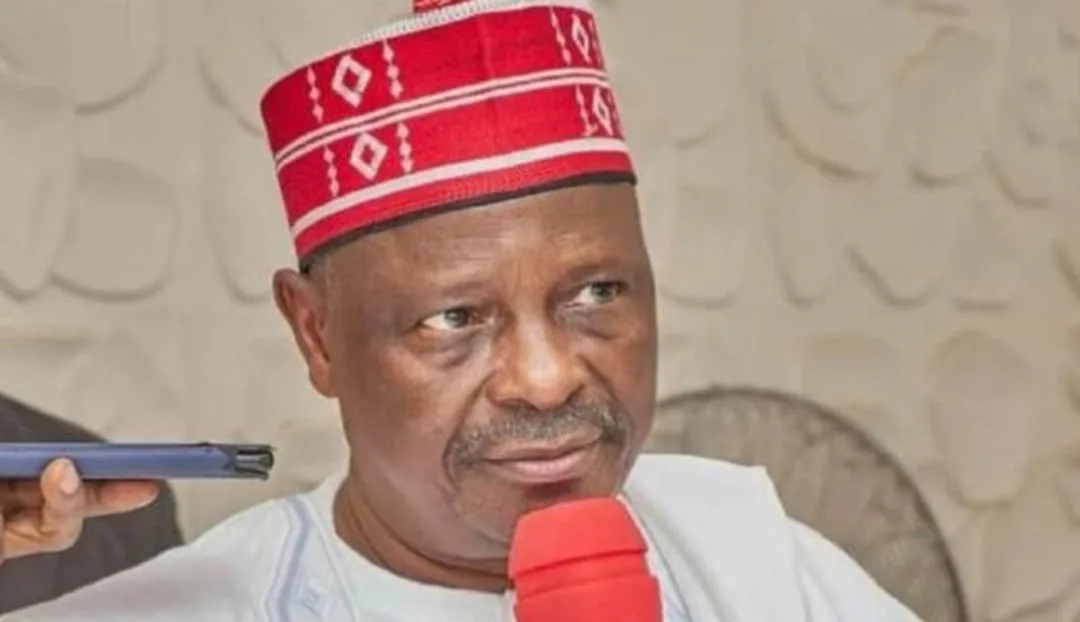
Rabiu Kwankwaso, the vice-presidential candidate of the Nigeria Democratic Congress (NDC), has questioned the use of increased government revenue, accusing state and federal authorities of failing to translate higher earnings into improved living conditions for Nigerians.
Kwankwaso, a former Kano State governor, said the growing gap between government revenues and the welfare of citizens could influence voters ahead of the 2027 general elections.
He spoke on Thursday at an NDC Town Hall Meeting in Rivers State, where he also warned the All Progressives Congress (APC) against assuming that its control of several states would guarantee victory in the 2027 polls.
Kwankwaso recalled that government revenues were significantly lower when he became Kano governor in 1999, but questioned what Nigerians had gained from the substantial increase in allocations in recent years.
“Now in one year, we have seen it on social media that our government collected over N1.11tn, just less than one year. You go around, what have you done with that money? Close to nothing,” he said.
He argued that despite increased resources available to governments, many Nigerians continue to struggle with economic hardship and insecurity.
The former governor said the situation was particularly concerning in Northern Nigeria, where insecurity remains a major challenge and could contribute to growing dissatisfaction with incumbent governments.
Kwankwaso also dismissed the notion that the APC’s control of more than 30 states would make victory in 2027 inevitable.
He cited previous elections to argue that political control across several states does not necessarily translate into success at the presidential level.
“The sitting president lost the election. I’m giving you an example, especially those who think because they have over 30 governors, they cannot lose the election. That is a very big mistake,” he said.
Kwankwaso further claimed that some Northern governors could struggle to campaign for the APC in 2027 because of what he described as poor performance in their respective states.
He said voters would ultimately judge governments based on their experiences, arguing that the performance of governors and the impact of government policies on citizens would be more important than the number of states controlled by a political party.