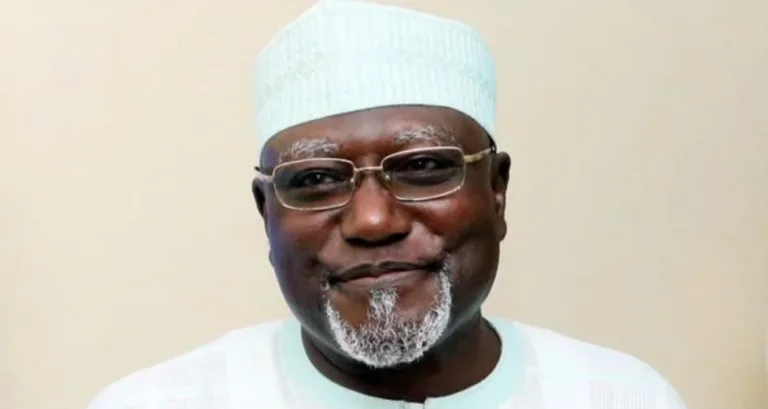
Three aggrieved candidates of the African Democratic Congress (ADC) in Kebbi State have vowed to continue their legal battle over their alleged replacement, insisting that their action is aimed at reclaiming their mandates and not undermining the party or its governorship candidate, Abubakar Malami.
The candidates—Abubakar Sadiq Sa’adu Fakai, Muhammad Umar and Nafiu Bello Shuwa—are challenging their alleged replacement after emerging as candidates from the party’s primaries.
In a joint statement issued on Saturday, the candidates rejected allegations that they were sponsored to create a crisis within the ADC or frustrate Malami’s chances in the forthcoming election.
They said they remained loyal to the ADC and were only using lawful channels to challenge what they described as an injustice.
“For clarification’s sake, we are not fighting Malami, ADC, or anybody, but we remain undeterred in our legal struggle to reclaim our stolen mandates by the alleged forgers in our party,” the candidates said.
Fakai, who spoke on behalf of the group, said allegations of sponsorship would not discourage them from pursuing their cases before the courts.
He maintained that the candidates had a right to seek judicial redress and insisted that they remained valid candidates pending the resolution of their legal challenges.
The candidates also alleged that some party members forged affidavits and other documents purporting to show that they had voluntarily withdrawn from the electoral contest.
Fakai described the alleged forgery as a matter beyond an internal party disagreement, saying that, if established, it could amount to a criminal offence.
The aggrieved candidates further accused some individuals claiming to support Malami and the ADC of engaging in activities capable of deepening divisions within the party and weakening its electoral prospects.
They nevertheless reaffirmed their loyalty to what they described as lawful and committed members of the ADC, stressing that their legal action was not intended to destroy the party.
The dispute comes as the affected candidates continue their court cases over their alleged replacement, leaving the resolution of the controversy to the judicial process.