By Adesakin Adefemi
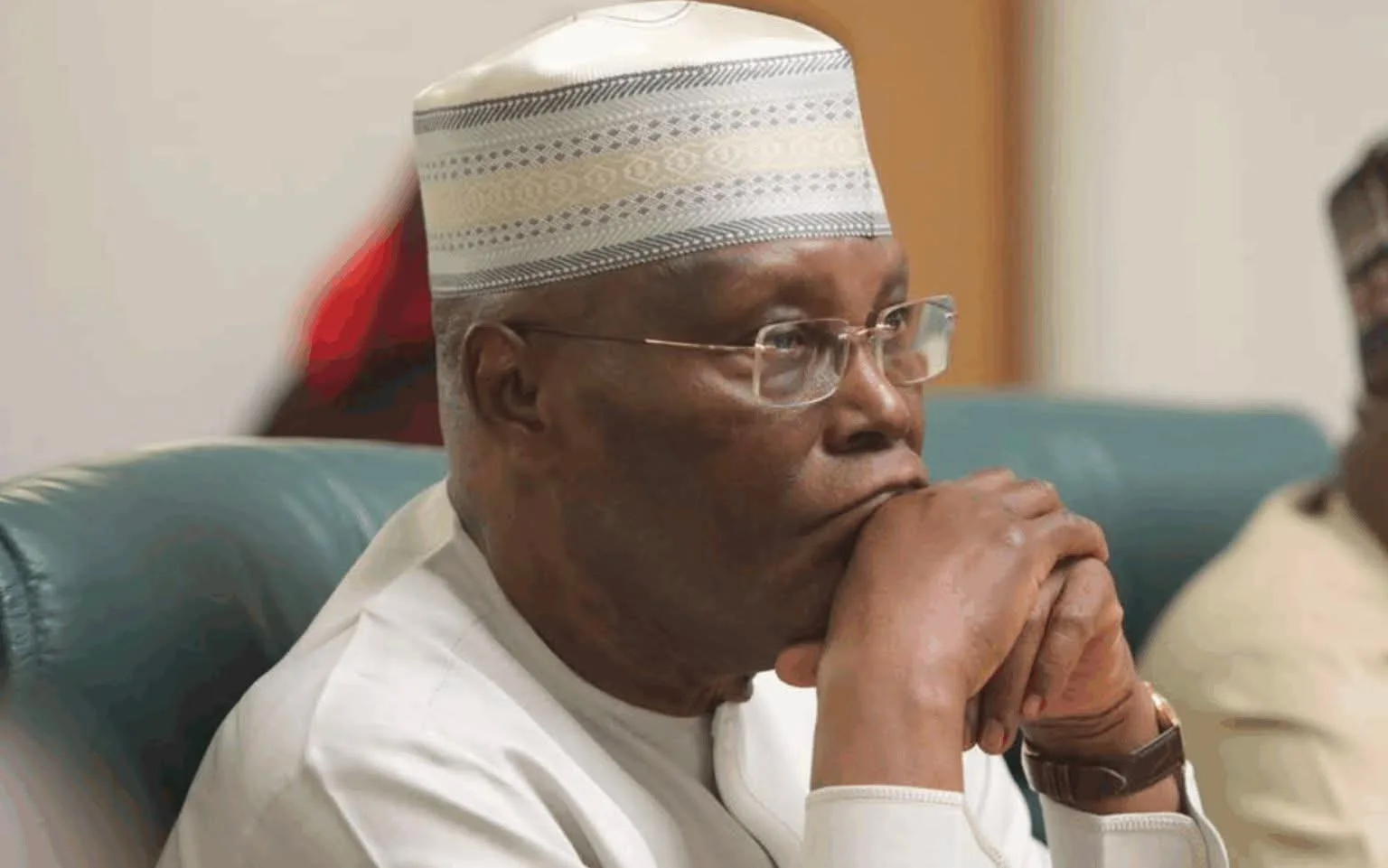
Former Vice-President Atiku Abubakar has accused the Bola Tinubu administration of subjecting Nigerian workers to deepening economic pain, saying the government’s “renewed hope” promise has become “renewed hardship” for millions of citizens.
In a Workers’ Day statement released Thursday, Atiku said May Day should honor the dignity of labor and the people whose work sustains the nation. Instead, he wrote with “grief for the Nigerian worker who was promised renewed hope and received instead renewed hardship.”
The former vice-president argued that the administration has focused more on raising revenue than on improving living standards. He listed teachers, nurses, factory workers, civil servants, and artisans as the “primary victims” of policies that have worsened inflation and eroded incomes since 2023.
While describing fuel subsidy removal as necessary, Atiku criticized its execution as “reckless.” He said trillions saved from the policy have not translated into relief for citizens, with transport fares tripling and food prices soaring beyond the reach of average households.
He faulted the government for failing to roll out adequate safety nets before ending the subsidy. A responsible approach, he said, would have protected vulnerable Nigerians and ensured the burden of reform was shared fairly rather than left to workers to bear alone.
Atiku also questioned how subsidy savings have been spent. He alleged that a large portion of the federal share is being used to finance the $11 billion Lagos-Calabar Coastal Highway, a project he said was not competitively bid and was awarded to a firm linked to the president.
“This is not governance, it is the brazen conversion of public resources for private enrichment,” Atiku stated, calling for transparency and due process in major infrastructure contracts funded with public funds.
He further criticized the floating of the naira, saying the sharp depreciation wiped out what remained of workers’ purchasing power. Imported medicines, food items, and educational materials, he noted, have become unaffordable, with some drugs disappearing from shelves entirely.
On taxation, the former vice-president said raising taxes during a cost-of-living crisis amounts to cruelty. He argued that governments should grow revenue by expanding the economy and creating jobs, not by squeezing citizens who are already struggling to survive.
Atiku concluded by urging workers to keep hope alive, insisting Nigeria has the resources and talent to transform if properly led. He reaffirmed his commitment to a country “where the dignity of labor is matched by its reward, where hard work pays, and where government truly serves the people.”