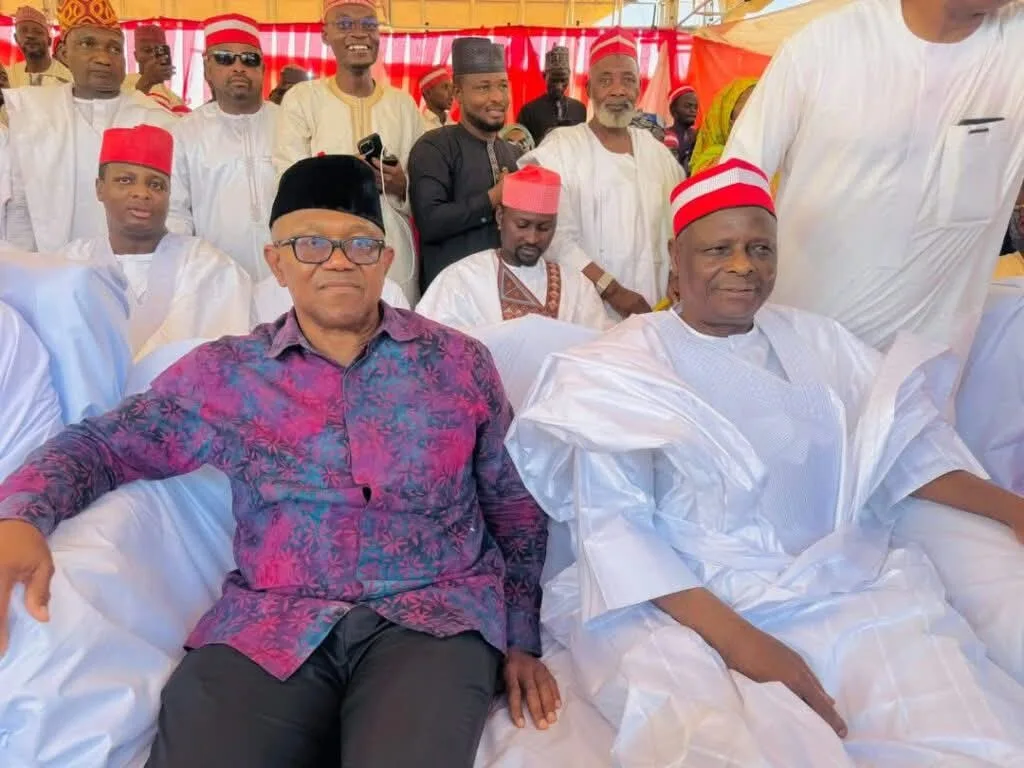
Loyalists of Peter Obi and Rabiu Musa Kwankwaso have intensified calls for opposition parties to field a Southern presidential candidate in 2027, deepening debate over zoning as coalition talks gather pace ahead of the next general elections.
The demand surfaced after a high-profile political meeting in Ibadan where former Vice President Atiku Abubakar, Obi, Kwankwaso, Rotimi Amaechi, and other opposition figures reportedly agreed to explore presenting a single candidate to challenge President Bola Tinubu and the ruling All Progressives Congress.
National Coordinator of the Obidient Movement Worldwide, Dr Yunusa Tanko, said zoning the ticket to the South is “rooted in equity and continuity,” noting that the presidency is currently zoned to the region. He added that Obi has indicated willingness to serve only a single four-year term if elected.
“Once you have a southern president, it simply means that even if there is going to be a replacement for the existing president, it should come from the South for them to complete their tenure,” Tanko said. He expressed confidence that Obi would emerge as the consensus candidate, citing his popularity, especially among young Nigerians.
Justin Ijeh, National Publicity Secretary of the Obi–Kwankwaso Movement, said zoning is not in the constitution but remains “a pragmatic approach to balanced representation” in Nigeria. “It only makes sense for the zoning principle to be applied and for the presidency to remain in the South. Anything else sets the country up for divisive complications,” he said.
Not all opposition parties agree. African Democratic Congress National Publicity Secretary Bolaji Abdullahi said the ADC is “not committed to zoning, but to the electoral viability of the contestants.” He stressed the alliance would “identify and support the best candidate to win the election,” suggesting an open contest based on political strength rather than regional rotation.
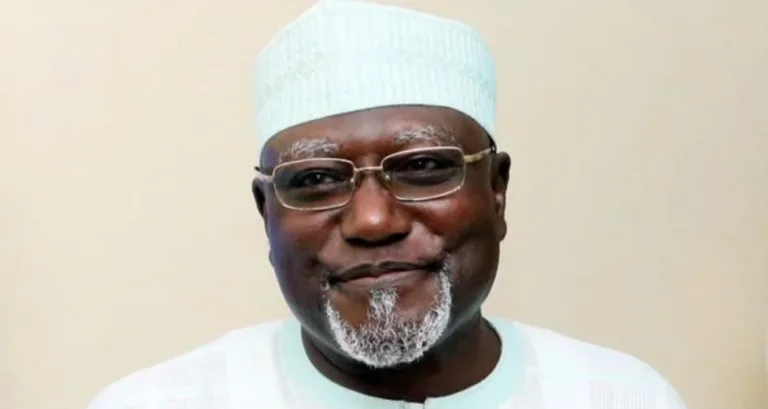
The New Nigeria People’s Party offered a middle ground. NNPP National Publicity Secretary Ladipo Johnson said zoning remains an important factor even within a consensus arrangement. “A joint candidate does not mean we cannot retain zoning. What matters is having a candidate acceptable to Nigerians across the South and North,” he said, adding that beating Tinubu is the “task before us.”
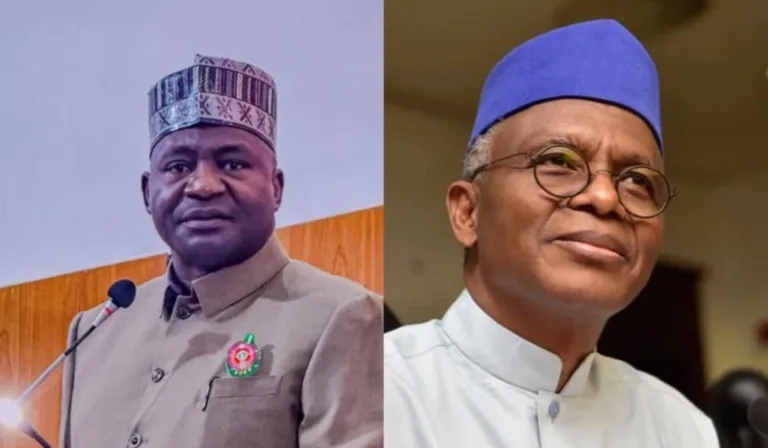
Social Democratic Party National Chairman Shehu Gabam described zoning as a “legitimate constitutional and political consideration,” noting it is “purely a political party’s decision to zone or not to zone.” On whether the SDP would join a single-candidate coalition, Gabam said, “It’s too early to tell.”
The Ibadan meeting has sparked debate in political circles, with opposition leaders weighing unity against internal differences over zoning, structure, and candidate selection. The ruling APC has dismissed the moves as premature, pointing to divisions among opposition parties.
Analysts say the 2023 race showed how multiple opposition candidates split anti-APC votes across regions and parties. A consensus candidate could reshape the 2027 contest, but hurdles remain over regional balance, party platforms, and who leads the ticket.