By Adesakin Adefemi
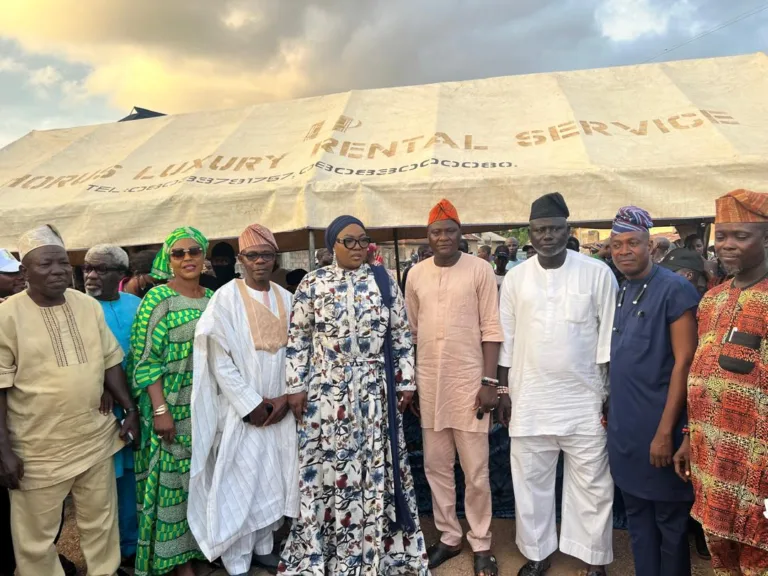
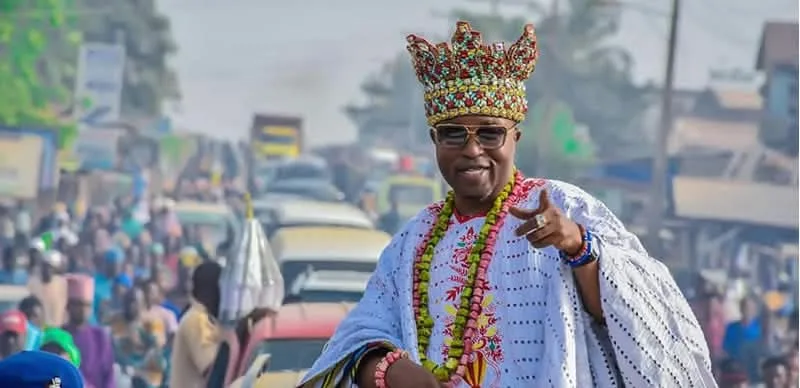
The Oluwo of Iwo, Oba Abdulrosheed Akanbi, has sparked controversy by suggesting that Nigerians might demand a constitutional amendment to allow President Bola Tinubu to serve more than two terms.
In a congratulatory message marking Tinubu’s 74th birthday, the monarch praised the President’s leadership, citing his bold economic reforms and improved governance.
Oba Akanbi attributed Tinubu’s success to his decisive leadership, noting that many past leaders attempted similar reforms but were overwhelmed by public pressure.
He highlighted the President’s achievements, including a surge in foreign reserves from $1bn to over $49.5bn and strengthened economic indices.
The Oluwo’s comments have reignited debates on term limits, with some Nigerians calling for Tinubu to continue leading the country beyond 2027. However, others argue that altering the constitution would undermine democratic principles.
Tinubu’s administration has implemented major economic reforms, including fuel subsidy removal and foreign exchange unification, aimed at stabilizing the economy and attracting investment.
The President’s leadership has been praised by various stakeholders, who describe him as courageous and visionary.
The debate on term extension comes as Tinubu marks his third year in office, with many Nigerians still grappling with economic hardship. Despite challenges, the President remains committed to his reform agenda.
Nigeria’s 1999 Constitution limits presidents to two terms, meaning any attempt to extend tenure would require a constitutional amendment approved by the National Assembly and state legislatures. The proposal faces significant opposition from various quarters.
As the debate rages on, Nigerians are divided on whether Tinubu should be allowed to continue leading the country. While some argue that his reforms warrant an extension, others insist that term limits must be respected.
The outcome of this debate remains uncertain, but one thing is clear – Tinubu’s presidency has sparked a national conversation on Nigeria’s future and the role of leadership in shaping it.