By Adesakin Adefemi
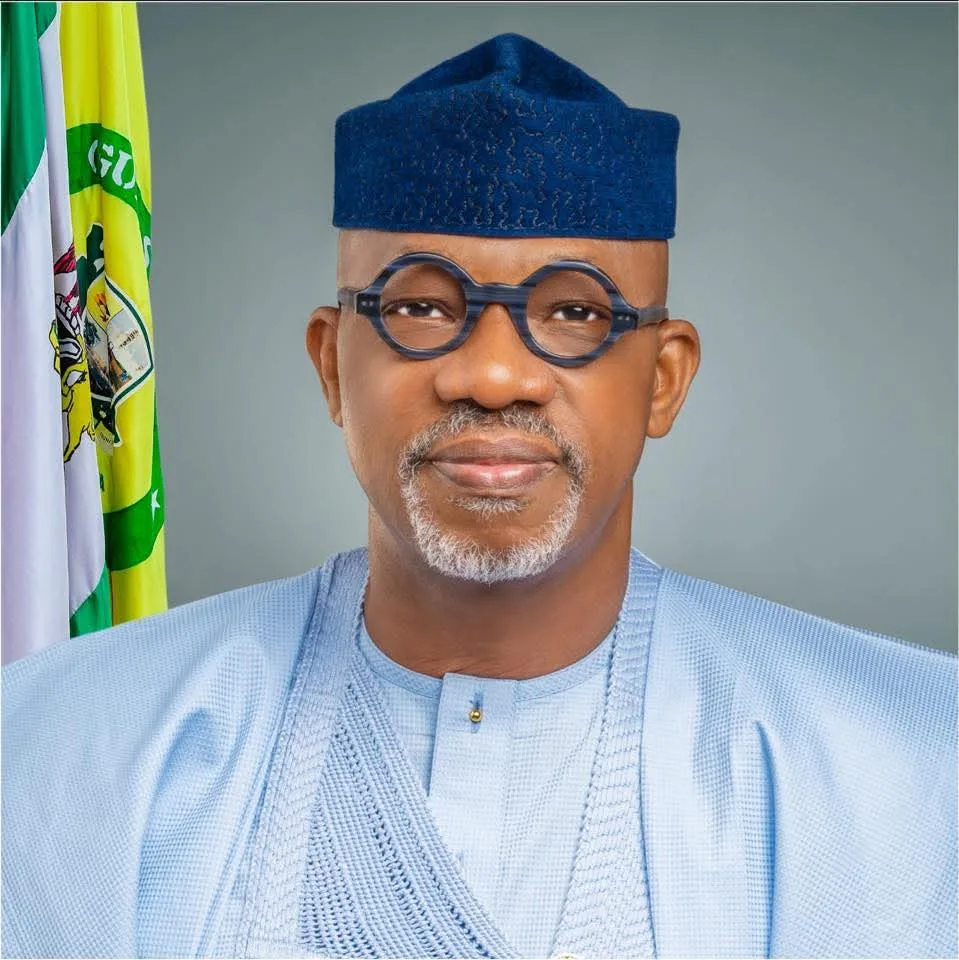
Ogun State Governor, Prince Dapo Abiodun, on Tuesday, February 17, 2026, condemned the “reckless driving habits” of truck operators on the Sango–Ota corridor after a fatal crash at the Ota Toll Gate claimed seven lives.
The accident, which occurred around 8 a.m. at the Old Toll Gate on the Lagos–Abeokuta Expressway, involved a vegetable‑oil tanker with registration number EKY 913 YH that suffered brake failure, according to preliminary investigations by the Federal Road Safety Corps (FRSC).
The tanker, reportedly unable to stop, rammed into two other vehicles and a group of bystanders, killing six men and one woman and leaving two others one male and one female with critical injuries.
FRSC spokesperson Afolabi Odunsi‑Oyewole said rescue teams evacuated all victims to Ota General Hospital, with the injured now receiving treatment and the deceased’s bodies deposited at Ifo General Hospital morgue.
In a statement signed by his Special Adviser on Information and Strategy, Kayode Akinmade, Governor Abiodun described the incident as “painful and unacceptable,” stressing that “the loss of innocent lives due to preventable negligence is one too many.” He extended heartfelt condolences to the bereaved families and prayed for strength and comfort during their difficult period.
The governor announced an immediate, comprehensive investigation into the crash, vowing that “anyone found culpable must face the full weight of the law.”
He also called for heightened vigilance and stricter traffic enforcement by the Nigeria Police Force, FRSC, Nigeria Security and Civil Defence Corps, and the Traffic Compliance and Enforcement Corps to prevent a recurrence on the busy corridor.
Executive Chairman of Ado‑Odo/Ota Local Government, Lawal Adewale Wasiu, visited the scene shortly after the incident, receiving briefings from security operatives coordinating rescue and control efforts.
He expressed sorrow over the tragedy, reiterated the need for strict adherence to traffic regulations, and cautioned against roadside trading and other risky activities that expose residents and commuters to danger.
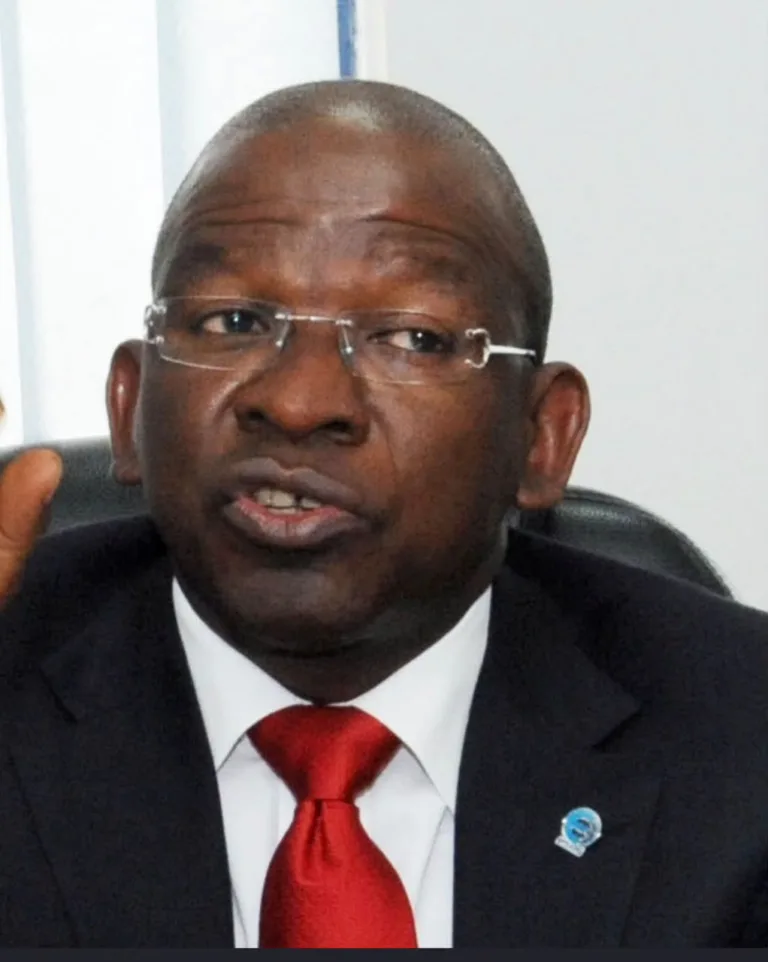
Wasiu assured that the council will collaborate with relevant agencies to strengthen safety compliance within the axis, emphasizing that “the safety of our people is paramount and must not be compromised.” He urged residents to report any unsafe practices or vehicle defects to authorities promptly.
FRSC Sector Commander, Corps Commander Akinwunmi Fasakin, urged motorists especially drivers of articulated vehicles to conduct thorough mechanical checks before any journey. “Brake failure is a preventable tragedy; routine maintenance can save lives,” he said, reaffirming the corps’ commitment to safeguarding lives and property on Nigerian roads.
The Ogun State Government reaffirmed its resolve to intensify road‑safety enforcement and protect lives and property across the state. Officials pledged to deploy additional personnel and resources to monitor high‑risk corridors, enforce speed limits, and conduct random vehicle inspections.
As the community mourns, calls for systemic reforms ncluding stricter licensing, regular vehicle inspections, and public awareness campaigns grow louder.
The tragedy at Ota Toll Gate serves as a stark reminder of the human cost of negligence and the urgent need for collective action to make Nigerian roads safer for all.