The Nigeria Centre for Disease Control and Prevention (NCDC) has issued a directive to hospitals nationwide to enhance their infection prevention and control (IPC) practices in response to the global surge in Human Metapneumovirus (HMPV) cases. The directive aims to safeguard public health amid increased HMPV activity reported in countries such as China, the United Kingdom, France, and Germany.
According to the Director-General of the NCDC, Dr. Jide Idris, hospitals must implement rigorous IPC practices, including proper hand hygiene, environmental cleaning, respiratory hygiene, and cough etiquette. Additionally, all health facilities have been asked to designate appropriate isolation rooms for quick and efficient management of suspected HMPV cases.
Despite the global surge in HMPV cases, the NCDC reported no unusual increase in respiratory infections within Nigeria as of January 6, 2025. However, the agency remains vigilant, conducting dynamic risk assessments in collaboration with the Federal Ministry of Health, the World Health Organisation (WHO), and other international partners.
The NCDC has classified the risk of HMPV in the country as moderate, prompting proactive measures to strengthen preparedness and response capacity. The agency is enhancing surveillance through its National Influenza Sentinel Surveillance (NISS) system and has extended testing for HMPV across its facilities.
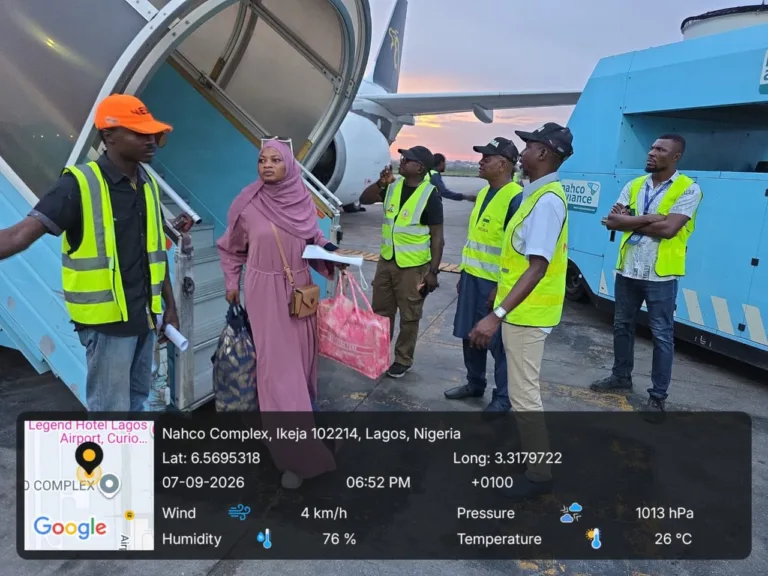
Key actions include monitoring influenza-like illnesses and severe acute respiratory infections, as well as supporting laboratories in states with international airports to test for HMPV. The NCDC is also working with Port Health Authorities to bolster readiness at international points of entry.
HMPV is a respiratory virus that poses a higher risk to young children, older adults, and individuals with weakened immune systems. It spreads through respiratory droplets, close personal contact, and contaminated surfaces. Symptoms range from mild cold-like signs to severe respiratory issues such as bronchitis or pneumonia.
The NCDC has issued public advisories urging citizens to practice good hand hygiene, maintain respiratory etiquette, avoid crowded places, and seek medical attention if experiencing symptoms. The agency reiterated the importance of relying on verified information from official channels to prevent misinformation.
In a related development, the Federal Government has announced plans to activate surveillance measures for inbound passengers from China, where the HMPV outbreak is most severe. The government will implement preventive measures, including quarantine, for passengers arriving from China.
The NCDC’s efforts to enhance preparedness and response capacity are commendable, and the agency’s emphasis on public awareness and education is crucial in preventing the spread of HMPV. By working together, Nigeria can mitigate the impact of this global health threat.
As the situation continues to evolve, the NCDC will provide updates and guidance to the public. In the meantime, citizens are urged to remain vigilant and take proactive measures to protect themselves and their loved ones from HMPV.