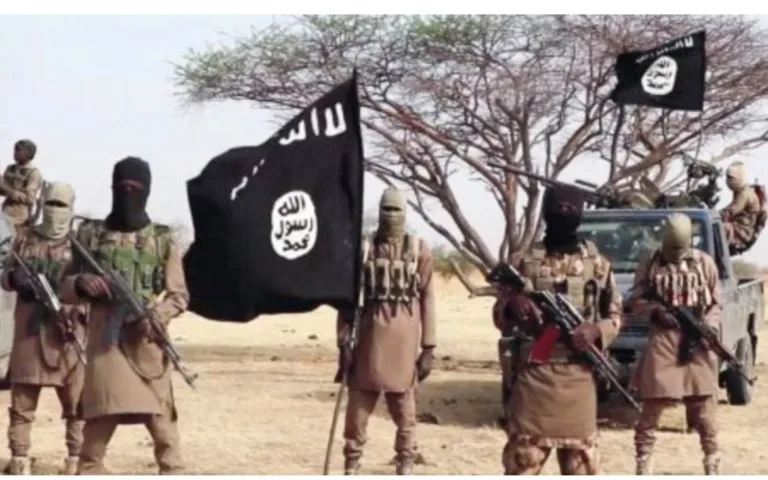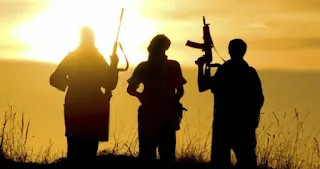
The Arewa Consultative Forum (ACF) has sounded the alarm over the rising threat posed by the Lakurawa terrorist group, active in Nigeria’s northwest, particularly in Sokoto and Kebbi states. Tukur Muhammad-Baba, ACF’s publicity secretary, expressed concerns on Channels Television, highlighting the group’s establishment of operational bases and takeover of local governance in some areas [1).
Muhammad-Baba emphasized that the Lakurawa group isn’t new, and the Department of State Services (DSS) is aware of their presence. Initially thought to have been chased out, it was later discovered that a deal allowed them to leave or face attack. This development poses significant threats to national security.
The Lakurawa group’s influence extends to enforcing their justice system, disregarding traditional authorities. Muhammad-Baba urged decisive action to protect sovereignty and restore order, stressing that their presence undermines national security.
Historically, the Lakurawa group emerged in Sokoto State in 2018, initially providing protection against bandits. However, their strict governance deteriorated relationships with local communities [1).
Nigeria’s northwest has struggled with banditry, driven by factors like economic neglect, resource competition, and ethnic tensions. The region’s complex dynamics have enabled extremist groups to establish footholds.
Extremist groups like Islamic State’s West Africa Province (ISWAP), Islamic State Sahel Province (ISSP), and Darul Salam have exploited community grievances and formed alliances with herder-affiliated militias and criminal groups [1).
The ACF’s warning underscores concerns about the growing presence of extremist groups in Nigeria’s northwest. The situation demands prompt attention to prevent further escalation.
Muhammad-Baba’s call for decisive action emphasizes the need for effective countermeasures. The Nigerian government must address the root causes of extremism and collaborate with regional stakeholders.
As tensions rise, the international community watches closely, aware that inaction may exacerbate the crisis.