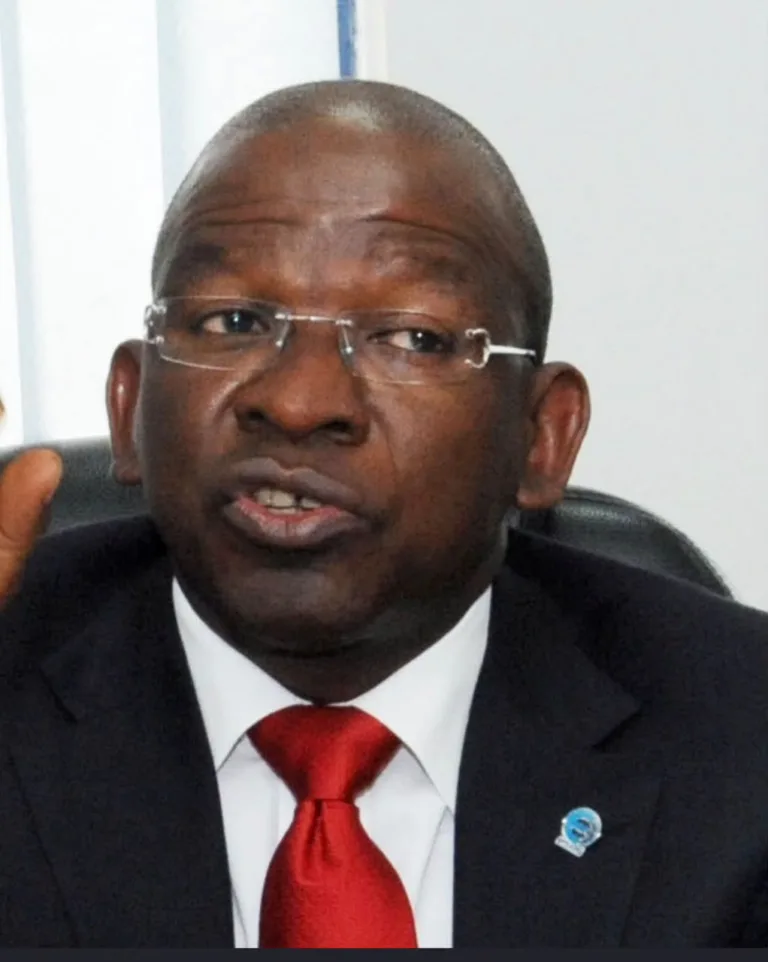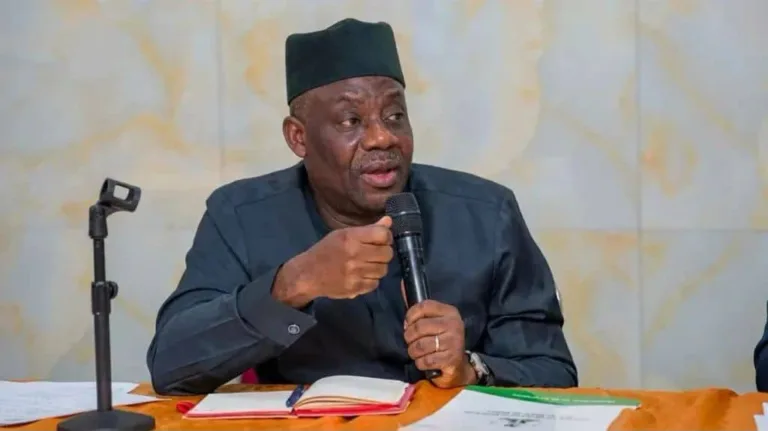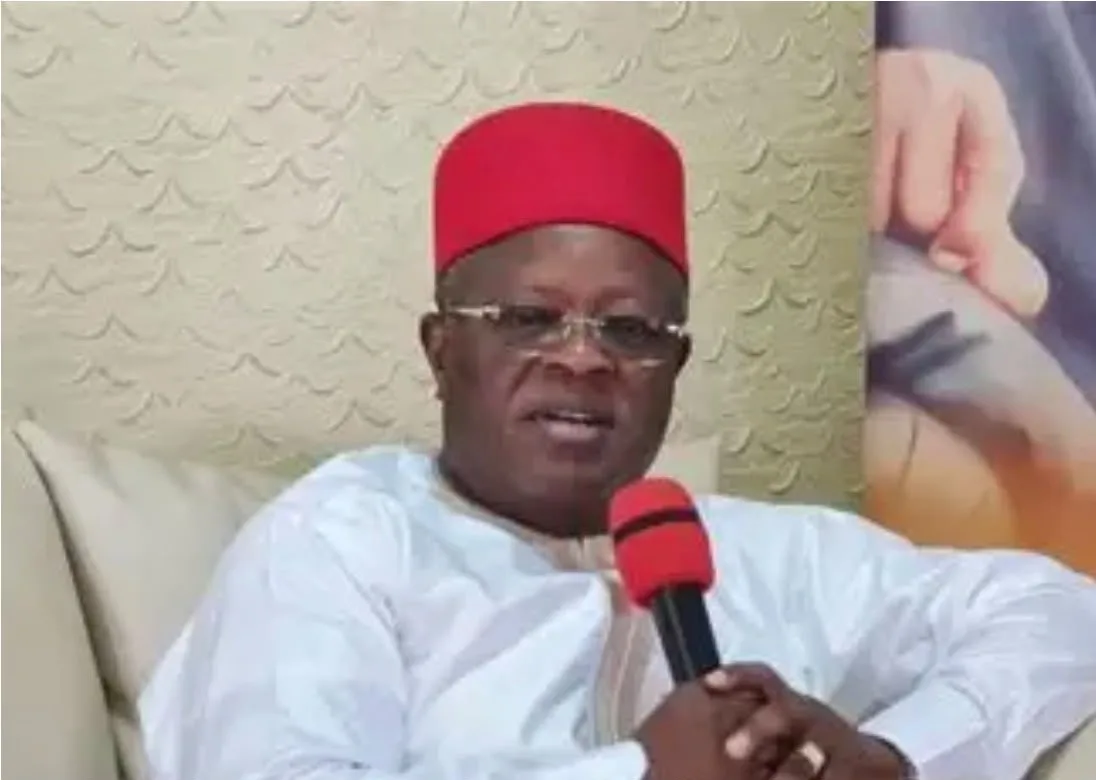
Minister of Works David Umahi has dismissed allegations linking him to the death of his aide, Miss Mary Habila, insisting he suspects no foul play while urging the deceased’s family to allow an autopsy to determine the exact cause of death.
Speaking on Thursday during a press briefing in Abuja, Umahi described Habila as “like a daughter,” revealing that she had lived and worked with him for about three years and had a longstanding medical condition for which he personally financed her treatment.
The minister clarified that Habila was a nurse employed by the Federal University of Health Sciences, Ebonyi State, and not a physiotherapist as widely reported. He added that she had undergone treatment at a Turkish hospital, with the latest medical bill of ₦2.2 million paid by him in April.
Providing his account of the events leading to her death, Umahi said Habila had spoken with her boyfriend shortly before she died and complained of a nosebleed. According to him, the boyfriend advised her to seek medical attention, ended the call, and tried reaching her again minutes later, but she did not respond.
He said Habila had also informed her boyfriend that she intended to take a bath. When concerns arose after she became unreachable, her room was forced open, and she was found dead with the tap still running.
Umahi maintained that the guest house where the incident occurred was separate from his personal residence and argued that its location should not automatically make him responsible for the tragedy.
He condemned what he described as attempts to politicise the young woman’s death, warning against making unfounded allegations while investigations remain ongoing.
Describing Habila as one of his most dedicated staff members, the minister said her death had deeply affected him and his family.
Umahi disclosed that efforts to conduct an autopsy had stalled because the deceased’s family objected on cultural grounds. However, he said he had instructed that her body should not be released for burial until the procedure was carried out.
He also revealed that he had requested the Inspector-General of Police to transfer the investigation to Abuja to ensure a thorough probe and facilitate discussions with the family over the autopsy.
The minister further claimed that Habila had experienced similar nosebleeds during previous official trips, including one in Lagos, where her boyfriend reportedly advised her to seek medical attention.
He urged investigators to examine the call records between Habila and her boyfriend, saying the conversation could provide useful insight into her final moments.
While stressing that the police should be allowed to complete their investigation, Umahi insisted there was currently no evidence suggesting criminal involvement in her death.
He also criticised the circulation of photographs allegedly taken at the mortuary, accusing some police officers of leaking misleading images that fueled public speculation.
Umahi announced that his legal team had been directed to take action against individuals and media organisations he accused of spreading false information and cyberbullying the deceased.
Habila’s death has continued to attract widespread public attention, with calls from several groups for an independent investigation. Police authorities have confirmed that investigations remain ongoing, while an autopsy—considered crucial to establishing the cause of death has yet to be conducted.