By Adesakin Adefemi
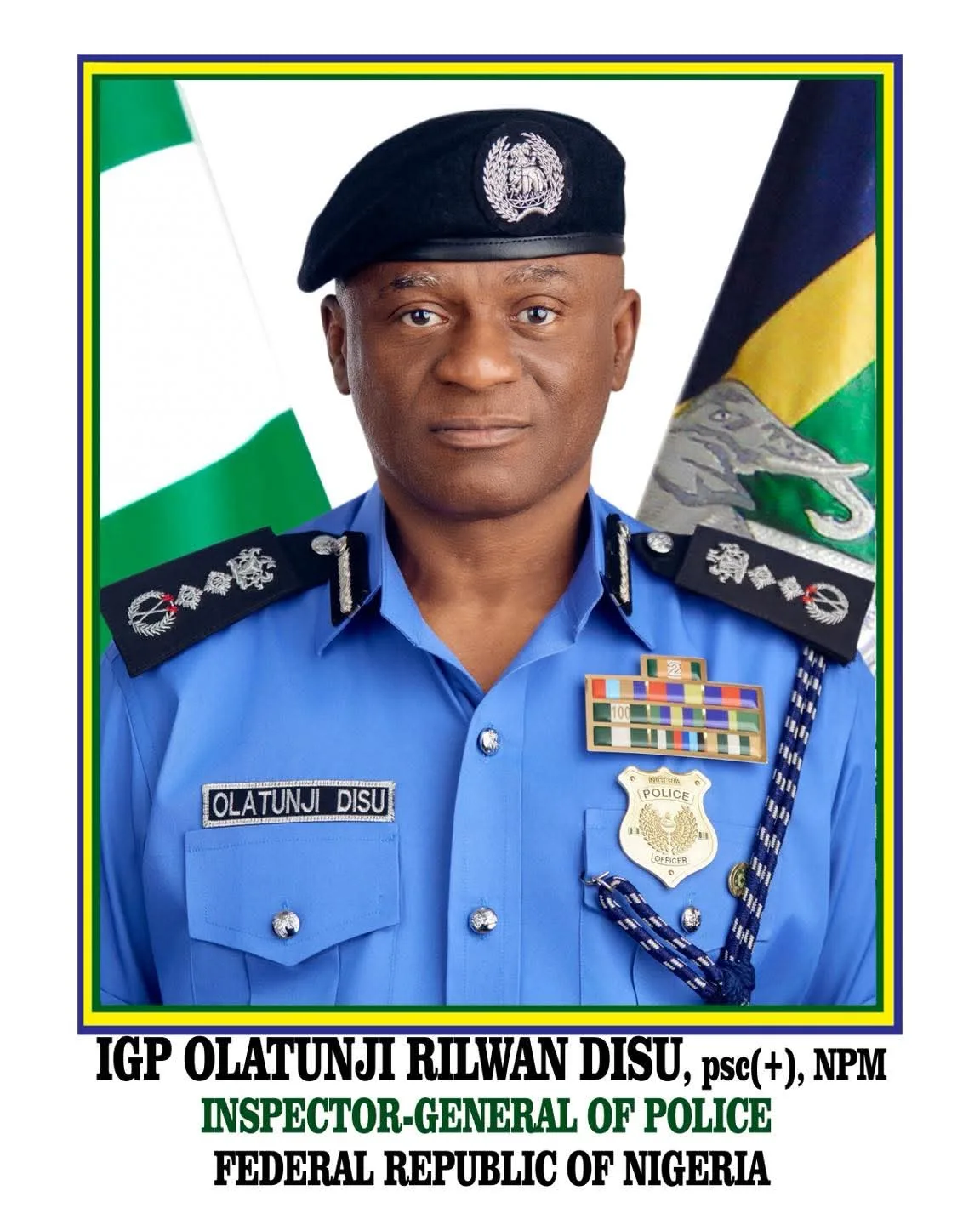
The Inspector-General of Police, Olatunji Disu, has directed the reduction of tactical teams across police formations nationwide to enhance supervision and address public complaints.
The directive limits tactical teams at Zonal and State Command levels to a maximum of five, while Area Commands and Divisions are restricted to a maximum of three teams. This move is aimed at streamlining the police force and making it more effective in its operations.
According to DCP Anthony Okon Placid, Force Public Relations Officer, “The IGP’s directive is aimed at enhancing supervision, reducing complaints, and improving accountability within the police force.” He further stated that the police leadership is committed to ensuring that the force is more responsive to the needs of the community and that the rights of citizens are protected.
The police leadership emphasizes that this move is part of a broader effort to strengthen Police Divisions, enhance operational efficiency, and restore public trust.
The IGP values the contribution of tactical teams to crime-fighting but is concerned about their unchecked expansion, which has led to concerns about human rights abuses and other forms of misconduct.
Personnel from the affected teams will be redeployed into conventional policing structures, including patrol and guard duties, the Divisional Crime Branch, Juvenile and Women Centre, and general beat assignments. This is expected to improve police presence on the streets and enhance community policing.
The Nigeria Police Force has dismissed reports claiming that the IGP ordered the immediate dissolution of all police tactical units nationwide, describing the publication as a misrepresentation of his directive.
The police force emphasized that the reduction of tactical teams is aimed at improving operational efficiency and not a disbandment of the units.
The reduction can be achieved by merging or disbanding teams, at the discretion of heads of formations. State government-created outfits like Lagos’ Rapid Response Squad, Oyo’s SRS, and Bayelsa’s Operation DOO-AKPOR are excluded from this directive.
Further details on the restructuring are expected to be revealed during the Officers’ Conference scheduled for March 26, 2026. The IGP’s directive is expected to improve police-community relations and enhance the overall effectiveness of the police force.
The police leadership has urged officers and men of the force to cooperate with the restructuring efforts and to continue to serve the nation with dedication and professionalism. The move is seen as a positive step towards police reform and is expected to boost public confidence in the force.
The IGP’s directive has been welcomed by civil society organizations and human rights groups, who have long called for police reform and an end to human rights abuses by the police. The move is seen as a step in the right direction towards achieving these goals.