By Adesakin Adefemi
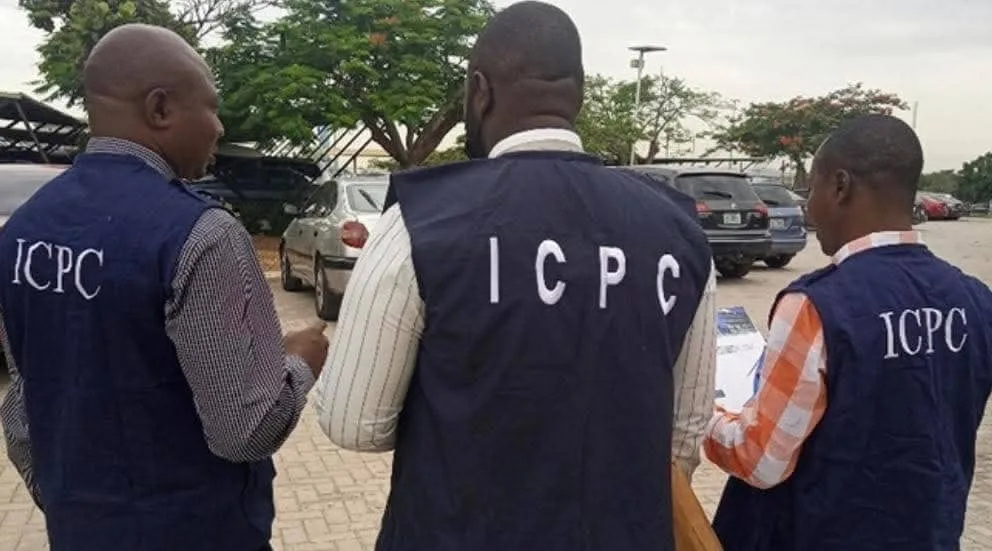
Operatives of the Independent Corrupt Practices and Other Related Offences Commission (ICPC) on Thursday stormed the Abuja residence of former Kaduna State Governor, Nasir el‑Rufai, in a surprise search operation that has sent shockwaves through Nigeria’s political landscape.
The raid, which took place at his Aso Drive home, was confirmed by Muyiwa Adekeye, the former governor’s media aide, in a brief statement posted on X (formerly Twitter).
Adekeye reported that ICPC agents, accompanied by legal counsel, conducted the search on Thursday evening, describing the action as “unlawful” and a “clear violation of legal procedures and fundamental rights.” He added that el‑Rufai’s lawyer, Ubong Akpan, condemned the operation and pledged to challenge it in court, raising questions about the legality of the commission’s actions.
The ICPC has not yet released an official statement detailing the purpose of the search or any items seized. However, sources within the commission hinted that the operation was part of an ongoing investigation into alleged corrupt practices linked to el‑Rufai’s tenure as governor, including possible misappropriation of public funds and abuse of office.
El‑Rufai, who left office in May 2023, has faced several anti‑corruption inquiries in recent months, including a separate investigation by the Economic and Financial Crimes Commission (EFCC).
Thursday’s raid marks the first known ICPC action against him, intensifying scrutiny of his post‑gubernatorial activities and sparking debate about the motivations behind the investigation.
The former governor’s supporters gathered outside his residence, chanting slogans and demanding respect for his rights. Security forces maintained a visible presence, but no clashes were reported as the search concluded without incident.
The atmosphere, however, remained tense, with many onlookers expressing concern about the implications of the raid for Nigeria’s democracy.
Legal experts say the ICPC’s powers allow it to search premises when it has reasonable grounds to suspect that evidence of corruption exists. Nonetheless, they caution that any search must be conducted with a valid warrant and in accordance with constitutional safeguards. “The rule of law must be upheld at all times, even in the pursuit of anti‑corruption goals,” noted a senior lawyer familiar with the case.
Human‑rights groups have called for transparency, urging the ICPC to disclose the legal basis for the raid and to ensure that el‑Rufai’s due‑process rights are upheld. “Any anti‑corruption effort must balance accountability with respect for civil liberties,” said a spokesperson for the Civil Society Network on Transparency. The group also warned against using anti‑corruption agencies as tools for political vendetta.
Political analysts view the raid as a potential flashpoint in Nigeria’s already charged political landscape, where former governors often become targets of successive administrations. The development could have ripple effects on upcoming elections and party dynamics in Kaduna and beyond, with some speculating that it may be part of a broader strategy to weaken el‑Rufai’s political influence.
As of press time, el‑Rufai has not made a public comment on the incident. His legal team is expected to file a formal complaint challenging the legality of the search and seeking redress for any alleged rights violations. The outcome of this case could set a significant precedent for how anti‑corruption agencies operate in Nigeria.
The ICPC is anticipated to issue a statement in the coming days, clarifying the scope of its investigation and outlining next steps. Meanwhile, the nation watches closely as the case unfolds, with implications for anti‑corruption efforts and political accountability in Nigeria. The international community is also taking note, with many observers keen to see how Nigeria’s legal system handles this high‑profile case.