By Adesakin Adefemi
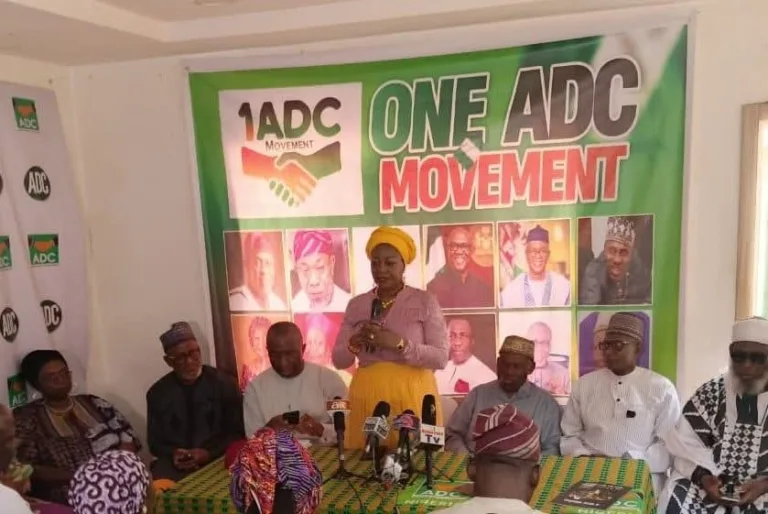
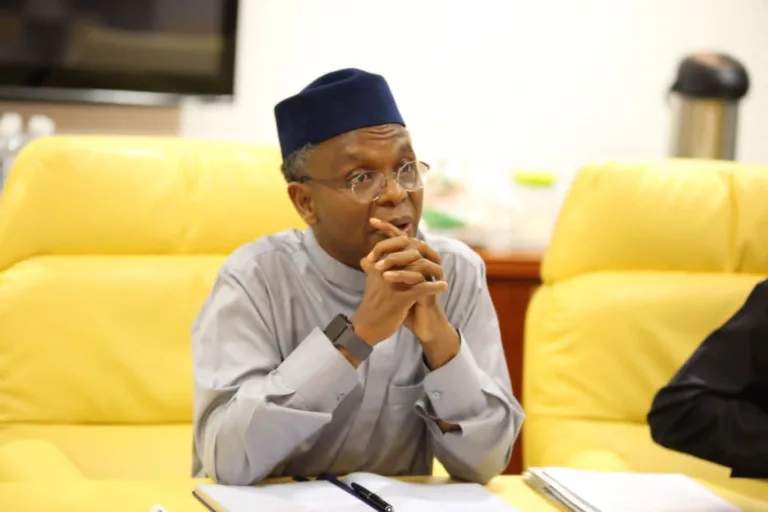
Hajiya Hassana Shuaibu Dada, Assistant National Youth Leader (North Central) of the African Democratic Congress (ADC), on Wednesday issued a strongly worded statement condemning what she described as “politically driven, selective prosecutions” of former Attorney‑General of the Federation Abubakar Malami and former Kaduna State Governor Nasir El‑Rufai.
She accused the Economic and Financial Crimes Commission (EFCC) of orchestrating these actions as deliberate attempts to undermine the ADC, which she said now poses a growing challenge to the ruling All Progressives Congress (APC).
Dada’s remarks came after the EFCC announced fresh investigations into both Malami and El‑Rufai, reopening old cases that had previously been closed. The ADC official labeled the move “clearly politically motivated” and said it was intended to weaken the party’s rising profile ahead of the 2027 elections.
“The selective prosecutions of our leaders, Hon. Abubakar Malami and Mallam Nasir El‑Rufai, through the EFCC are clearly politically motivated efforts to weaken the ADC because we represent a real alternative to the ruling party,” Dada stated, emphasizing that the party would not be cowed by such tactics.
She expressed full solidarity with the affected leaders and ADC members across the country, asserting that “these efforts will not intimidate us; instead, they will only strengthen our unity and resolve.” Dada called on Nigerians to stay vigilant and rally behind the ADC as a credible platform for good governance and national renewal.
The EFCC, for its part, has defended its actions as part of a broader anti‑corruption drive, insisting that investigations are based on evidence and not political affiliation. However, critics within the opposition have pointed to a pattern of reopening dormant cases against opposition figures while investigations into APC allies appear to stall.
Legal analysts note that while the EFCC has the mandate to pursue corruption cases, the timing of these particular probes just months before key party primaries has raised questions about potential political interference. They caution that perceived bias could erode public trust in the anti‑graft agency.
Meanwhile, civil society groups have urged the EFCC to maintain transparency and ensure that any prosecutions are grounded in solid, admissible evidence. They warn that “selective prosecution is the death of justice” and could deepen partisan divisions ahead of the upcoming elections.
As the controversy unfolds, both Malami and El‑Rufai have yet to issue detailed responses to the allegations, though sources close to them say they intend to challenge the investigations in court. The ADC has vowed to continue its campaign for “justice, inclusion, and national renewal” regardless of the legal battles ahead.
The situation remains fluid, with political observers watching closely to see whether the EFCC’s actions will indeed shape the electoral landscape or simply become another flashpoint in Nigeria’s already charged political arena.