By Adesakin Adefemi
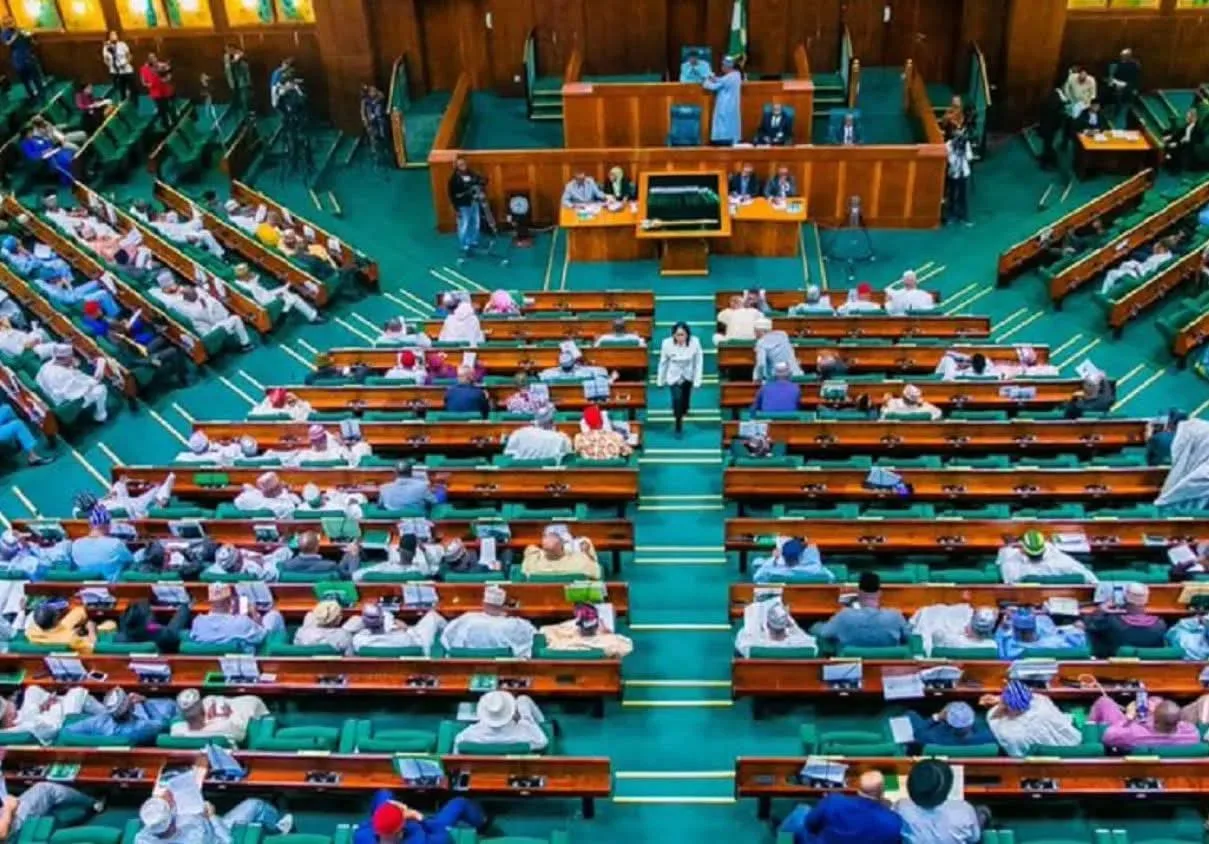
The House of Representatives, on Tuesday, February 17, 2026, convened an emergency session to revisit and potentially amend the Electoral Act Amendment Bill 2025, aiming to safeguard the integrity of Nigeria’s 2027 general elections.
Lawmakers paused budget defence hearings to focus on what they described as “issues that will define the elections of 2027.”
Presiding over the session, Speaker Tajudeen Abbas commended members who travelled from outside Abuja for the “crucial national assignment.” He stressed that the sole agenda was the rescission and recommittal of the Electoral Act Amendment Bill 2025, underscoring its urgency for a clear electoral vision.
Hon. Francis Waive, representing Ughelli North, Ughelli South and Udu Federal Constituency of Delta State, moved the first motion to rescind the bill under Order Nine, Rule 6 of the House Standing Orders. He reminded the House that the bill was passed in December 2025 but noted that a technical committee later identified inconsistencies and unintended consequences in its provisions.
Waive explained that the committee, comprising leadership of both chambers, conference committee members, clerks, and legal drafters, met to harmonise the bill. He argued that correcting these anomalies would promote “maximum participation, fairness, inclusivity, administrative efficiency and public confidence in the electoral system.”
The House resolved to rescind its earlier decision on the Electoral Act Amendment Bill 2025 and to commit the same to the Committee of the Whole for fresh consideration. A second motion, moved by Committee Chairman Adebayo Balogun, formally recommitted the bill for renewed deliberation.
When Speaker Abbas put the question to rescind the Act, the “nays” initially prevailed, but the Speaker struck the gavel, awarding the vote to the “yeahs.” This sparked a rowdy protest on the floor, with lawmakers insisting the “nays” had it, prompting the Speaker to call for a closed‑door session.
The development signals a renewed legislative push to fine‑tune Nigeria’s electoral framework ahead of the 2027 polls. Lawmakers indicated that no effort would be spared to ensure transparency and credibility in the nation’s democratic process.
Political analysts view the move as a critical step toward addressing technical flaws that could undermine election credibility. They note that a well‑crafted Electoral Act is essential for inclusive participation and public trust in the electoral system.
Civil society organisations have welcomed the House’s initiative, urging swift, transparent action to resolve identified inconsistencies. They stress that timely amendments are vital to avoid legal challenges and operational hiccups during the 2027 elections.
The House is expected to reconvene in Committee of the Whole to deliberate on the revised provisions, with stakeholders watching closely for outcomes that could shape Nigeria’s electoral landscape for years to come.