The Nigerian Correctional Service is sounding the alarm over its worsening economic situation, which is severely impacting its ability to provide adequate meals for inmates. Deputy Comptroller of Corrections Ibrahim Yau revealed this during a visit from the Legal Aid Council of Nigeria to evaluate inmate conditions and offer free legal services.
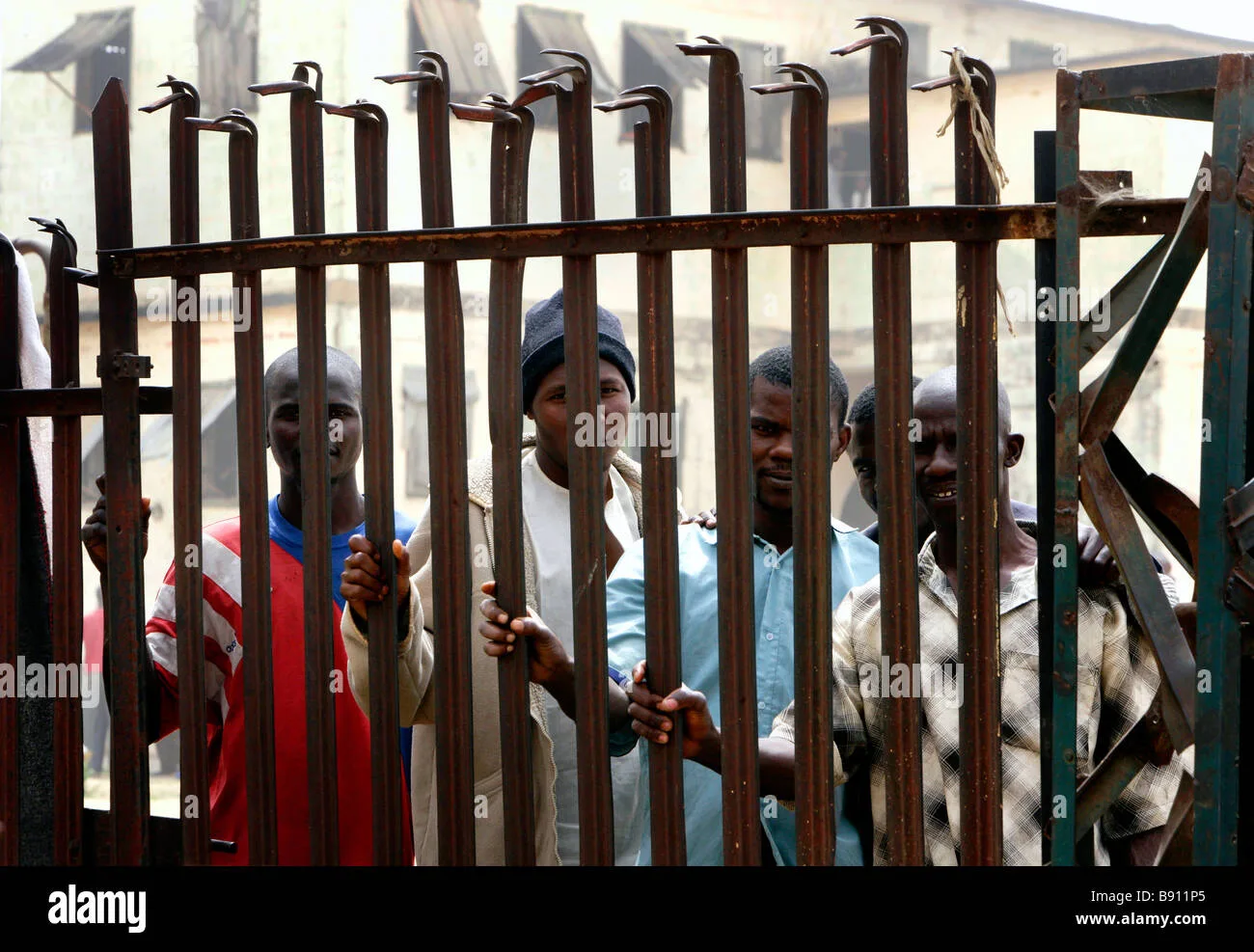
The Suleja Custodial Facility, designed for 250 inmates, is now overflowing with over 405 individuals, putting immense pressure on its limited resources. Yau highlighted the insufficient daily feeding allowance, which cannot sustain a decent meal for each inmate. “The funding challenges have reached a critical point where even basic food provision has become an ordeal,” he lamented.
Despite these struggles, Yau commended non-governmental organizations for providing crucial support. Without NGO assistance, meeting daily inmate needs would be nearly impossible due to the government’s lack of financial capacity to cover inmate welfare.
This crisis is not isolated, as reports from the Afikpo Correctional Centre in Ebonyi State reveal severe food shortages and alleged food diversion by prison officials. Inmates accuse personnel of stealing donated food, leaving them with inedible meals.
In response to public outrage, the Ministry of Interior has launched an investigation into inmate feeding and welfare conditions across Nigerian custodial centers. This follows a viral video showing inmates eating poorly prepared beans at the Afokang Custodial Centre in Calabar.
Interior Minister Olubunmi Tunji-Ojo issued a stern warning to correctional officials, emphasizing that negligence towards inmate welfare, food, and sanitation standards will not be tolerated.
The situation highlights the need for urgent reform and increased funding to address the humanitarian crisis within Nigeria’s correctional facilities.
Experts warn that neglecting inmate welfare can have long-term consequences for rehabilitation and public safety.
As the investigation unfolds, attention turns to potential solutions, including collaboration with NGOs and government agencies to ensure dignified treatment and basic care for inmates.
The Nigerian Correctional Service’s plight serves as a stark reminder of the broader societal implications of neglecting vulnerable populations.